

Success Stories
Clinical Nutrition chooses IUL’s spiral plating method to analyze samples
Clinical Nutrition is the pioneer company in Spain in enteral nutrition and leaders in sports nutrition, food supplements, and weight control diets. It is the company of the renowned Nutrisport brand that manufactures and commercializes quality sports supplements in supplement bars, energy drinks, tablets, etc.
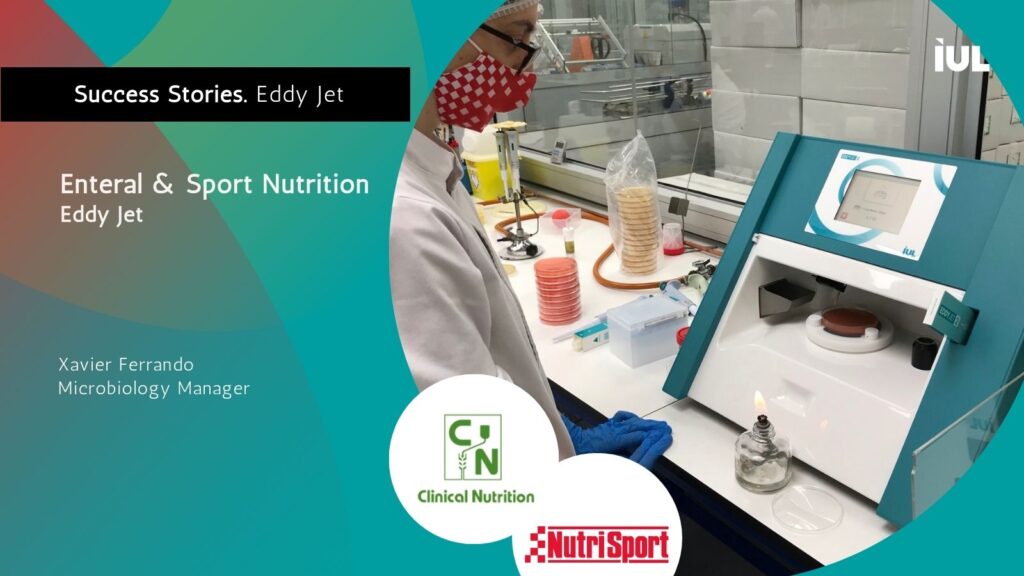
Clinical Nutrition has more than 1000 references, all they undergo a very exhaustive quality control under the leadership of Xavier Ferrando Martínez, head of the department of microbiology at Clinical Nutrition. Lidia Cussó, from the microbiology lab, inoculates more than 100 samples per day. To do this, Clinical Nutrition has chosen IUL’s Spiral method, the Eddy Jet, and they have been using it for more than 10 years!
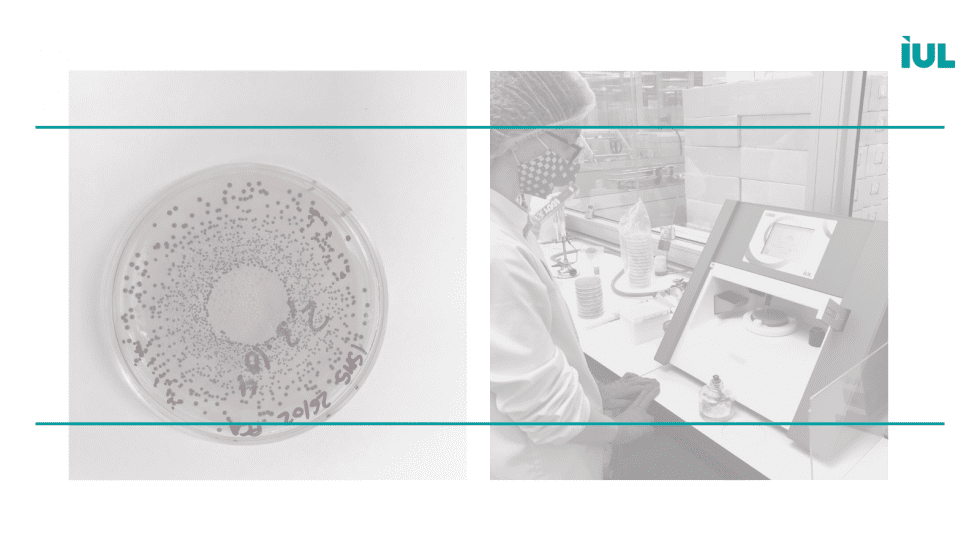
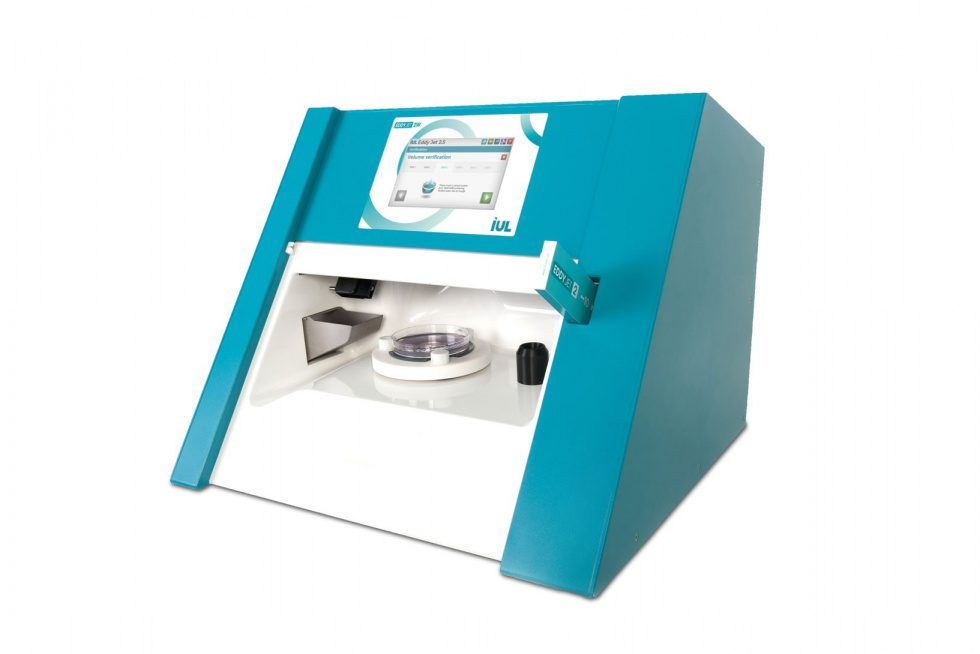
Eddy Jet and its spiral plating, an official method of APHA, AOAC and recognized by FDA BAM (Chapter 3)
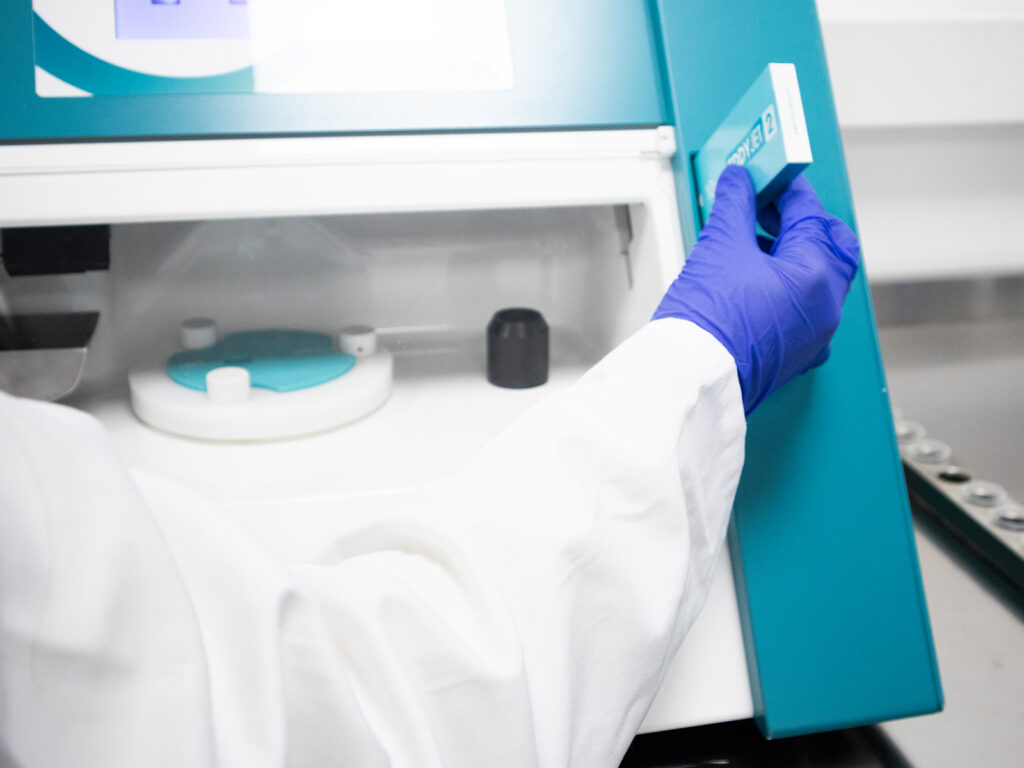
Run a decent number of samples is always a tedious process, but with the Eddy Jet it is possible to speed up the procedure. Instead of raising samples manually, the Eddy Jet is a time-saver and without worrying about cross-contamination.
The results obtained with the Eddy Jet 2W are 100% reliable as a single-use syringe is used, which prevents any cross-contamination from occurring. For Clinical Nutrition this is essential due to the volume of samples that the company receives daily.
Clinical Nutrition acquired the Eddy Jet 1 more than a decade ago and, because of its excellent effectiveness, they decided to purchase the new Eddy Jet 2W model.
Less contamination and more sterilization
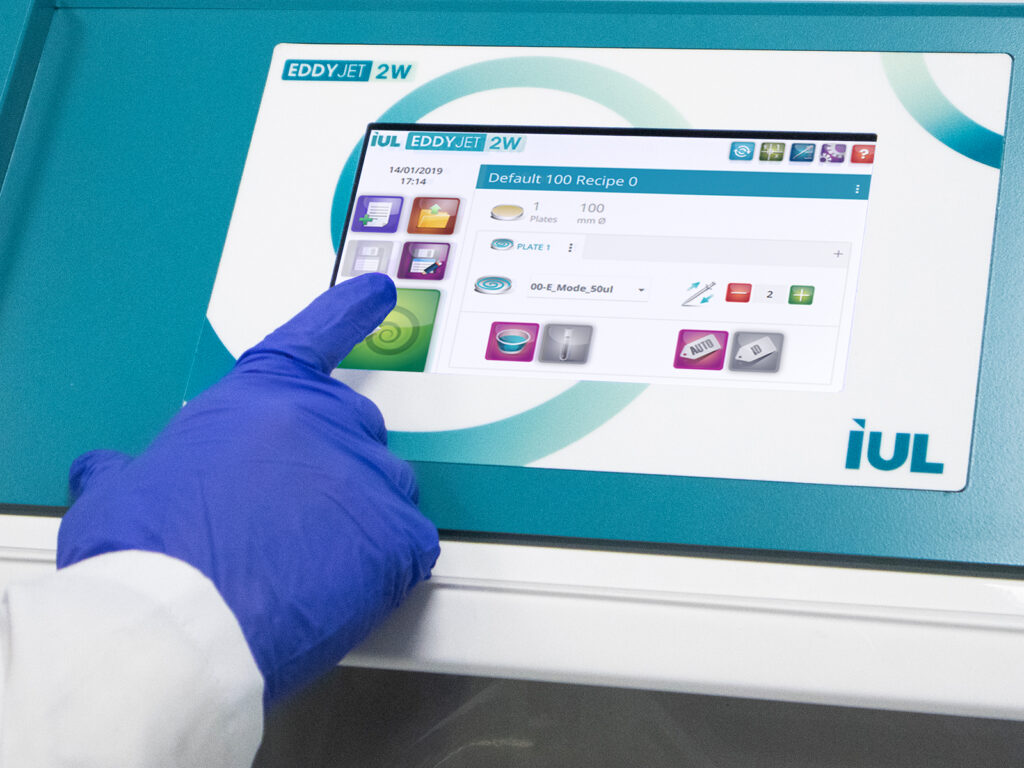
The spiral plate is a simple plating method that does not require much prior training, a tool that technicians can use intuitively and quickly. Clinical Nutrition knows that working with Eddy Jet 2 allows them to have the sample controlled, reducing the risk of contamination of the working environment.
This approach avoids all competition technology problems where cleaning cycles, disinfectant preparation, cross-contamination, complex and unnecessary liquid handling, needle calibration, noisy vacuum pumps, and complicated maintenance requirements overshadow the advantages of spiral plating.
Besides, the Eddy Jet enables genuine sampling sterility thanks to patented and unique micro syringe technology. By using disinfectants, the Eddy Jet eliminates any possible false-negative results due to disinfectant drag.
We inoculate all the samples with the Eddy Jet, even those thicker. We mainly check the presence of mesophiles, and we use depending on the type of sample, the logarithmic method of 100 uL or the linear mode 18 uL for probiotic samples.
Eddy Jet allows logarithmic, lineal and proportional distributions
Eddy Jet can perform more than 25 spiral distributions such as logarithmic, linear, and uniform distributions. Each type corresponds to a different pattern in the liquid sample that extends along the spiral and makes a quick plating suitable for even the most concentrated samples.
- Logarithmic distributions: in logarithmic modes, the volumes poured into each section of the spiral decrease logarithmically, providing a decrease in sample concentration along the different sections of the spiral. Logarithmic modes are the most used in spiral plating to perform viable bacteria/fungal counts.
- Linear and proportional distributions: these types of distributions create hyperbolic concentration gradients that are more moderate than the exponential modes ones. During a linear distribution, the flow of samples dispensed into agar plates does not vary, meanwhile, as the syringe heads towards the outer parts of the spiral, the area over which the sample is dispensed increases generating a hyperbolic concentration gradient.
“Cultivation with the Eddy Jet allows us to obtain a spiral-grown plate without making previous dilutions of the sample. Beside, we can carry out the counting easily as colonies are distributed uniformly on the plate surface.”
The experience of the customer
We needed an instrument that could help us day by day with samples analysis and obtain reliable results […] we were looking for a device that used an official method recognized by AOAC. We found the answer in the Eddy Jet.
Xavier Ferrando
Head of the departament of microbiology in Clinical Nutrition
Interested in working with us?
Success Stories
Clinical Nutrition chooses IUL’s spiral plating method to analyze samples
Cytodiagnostics, a trusted name in biotechnology, has been supplying premium nanoparticle reagents for over 15 years. Through its business branch CytoGroup, it specializes in developing nanoparticle-based diagnostic tools, including rapid lateral flow tests. These tests use the unique optical characteristics of nanoparticles along with their adaptability to capture diverse targets, generating visible test bands that correlate to target presence/absence or concentration.
While primarily serving the research and development markets, Cytodiagnostics’ customer-driven approach enables them to support tests across a variety of global regulations, including those for environmental monitoring, food safety, and medical devices.
Is manual counting still the best use of a skilled laboratory professional’s time?
The iPeak® reader to quantify the tests
Approximately five years ago, Cytodiagnostics sought a reliable lateral flow reader to transform qualitative tests – simple yes/no results – to become quantitative. They needed a portable reader for field and point-of-care applications that could also handle a variety of rapid test formats, from dipsticks to diverse cartridges.
The iPeak® reader stood out for its versatility, portability, and adaptability to different tests configurations. IUL further provided exceptional customer service, offering flexible solutions and continued support for Cytodiagnostics’ evolving needs.
Lorem ipsum dolor sit amet consectetur
Congue montes luctus cubilia blandit velit cursus per quisque, aptent a cum sociosqu curabitur pulvinar molestie magnis, rutrum augue nam porta quam mauris eu. Est cubilia parturient ut conubia inceptos suspendisse viverra id sapien, taciti purus fusce dictum ad sagittis neque ac non, proin eleifend volutpat elementum orci mauris ornare natoque. Scelerisque nec ridiculus etiam risus vel auctor elementum, morbi magna tempor condimentum curae potenti aliquam, aptent purus malesuada quisque sed sagittis.
Scott Kordyban
President and CEO
Number and dots list
- Enhanced Quantitation Capabilities:
The iPeak® reader allowed Cytodiagnostics to provide customers with precise, quantitative data, significantly improving the usability and accuracy of their rapid tests. - Research Advancements:
Collaborations with research partners benefited greatly. For example, the reader enabled the quantification of CXCL10 concentrations in saliva, supporting the development of a sensitive disease marker test. - Pioneering Applications:
Cytodiagnostics’ thrombin lateral flow assay, one of the first entirely aptamer-based tests, transitioned into a quantitative assay, showcasing the reader’s potential.


- Enhanced Quantitation Capabilities:
The iPeak® reader allowed Cytodiagnostics to provide customers with precise, quantitative data, significantly improving the usability and accuracy of their rapid tests. - Research Advancements:
Collaborations with research partners benefited greatly. For example, the reader enabled the quantification of CXCL10 concentrations in saliva, supporting the development of a sensitive disease marker test. - Pioneering Applications:
Cytodiagnostics’ thrombin lateral flow assay, one of the first entirely aptamer-based tests, transitioned into a quantitative assay, showcasing the reader’s potential.
Check list
Lacinia vestibulum ad curae dis:
Interdum purus lectus duis massa aenean molestie nulla nisi, class lacinia vestibulum ad curae dis auctor senectus egestas, at parturient nisl pulvinar sed tincidunt conubia.
Lacinia vestibulum ad curae dis:
Interdum purus lectus duis massa aenean molestie nulla nisi, class lacinia vestibulum ad curae dis auctor senectus egestas, at parturient nisl pulvinar sed tincidunt conubia.
Lacinia vestibulum ad curae dis:
Interdum purus lectus duis massa aenean molestie nulla nisi, class lacinia vestibulum ad curae dis auctor senectus egestas, at parturient nisl pulvinar sed tincidunt conubia.
Icons list
From 0.046mm colonies
The SphereFlash® Automated colony counter Software PRO can detect colonies as small as 0.046mm, for a maximized precision and improved time management.
Scalable
Sometimes the needs of the laboratory can change, and a more complete version is needed. With SphereFlash®, the same colony counter device can be updated to 2 different software version just with one click, at the moment needed by the lab.

The experience of the customer
Congue montes luctus cubilia blandit velit cursus per quisque, aptent a cum sociosqu curabitur pulvinar molestie magnis.
Congue montes luctus cubilia blandit velit cursus per quisque, aptent a cum sociosqu curabitur pulvinar molestie magnis, rutrum augue nam porta quam mauris eu.
John Doe
President and CEO
Clinical Microbiology
Klaper, K., Pfeifer, Y., Heinrich, L., Prax, M., Krut, O., Bekeredjian-Ding, I., Wahl, A., Fischer, M. A., Kaspar, H., Borgmann, S., Gerlach, R. G., & Werner, G. (2025b). Enhanced invasion and survival of antibiotic-resistant Klebsiella pneumoniae pathotypes in host cells and strain-specific replication in blood. Frontiers in Cellular and Infection Microbiology, 15. https://doi.org/10.3389/fcimb.2025.1522573
High level summary: The study reveals significant variations in adhesion, invasion, phagocytosis resistance, and intracellular survival among different Klebsiella pneumoniae pathotypes—especially ESBL-producing and hypervirulent strains—under both normoxic and hypoxic conditions, offering valuable insights into host-pathogen interactions that could inform development of anti-virulence strategies.
Sedeek, S. A., Farowski, F., Youssafi, S., Tsakmaklis, A., Brodesser, S., El-Attar, M. M., Abdelmalek, M. O., & Vehreschild, M. J. G. T. (2025). In vitro validation concept for lyophilized fecal microbiota products with a focus on bacterial viability. World Journal of Microbiology and Biotechnology, 41(3). https://doi.org/10.1007/s11274-025-04291-0
High level summary: Lyophilized fecal microbiota formulations maintain bacterial viability, community composition, and metabolites comparably to fresh and frozen forms—while enabling significant capsule reduction—making them a practical and efficient alternative for clinical fecal microbiota transplantation.
Cosmetics
Pavlačková, J., Egner, P., Mokrejš, P., & Janalíková, M. (2024). Formulating sustainable emulsions: mandelic acid and essential oils as natural preservatives. Molecules, 29(18), 4510. https://doi.org/10.3390/molecules29184510
High level summary: The researchers formulated sustainable topical emulsions using mandelic acid—alone or combined with Litsea cubeba essential oil—and demonstrated that these blends delivered effective antimicrobial preservation while improving skin hydration and barrier function.
Environmental Microbiology
Johnson, T., Richards, G. P., Jacobs, J., Townsend, H., Almuhaideb, E., Rosales, D., Chigbu, P., Dasilva, L., & Parveen, S. (2025). Prevalence and pathogenic potential of Shewanella species in oysters and seawater collected from the Chesapeake Bay and Maryland Coastal Bays. Frontiers in Microbiology, 16. https://doi.org/10.3389/fmicb.2025.1502443
High level summary: The study reveals that diverse, potentially virulent Shewanella species—many exhibiting beta-hemolytic activity—are prevalent in oysters and surrounding coastal waters, with their abundance significantly correlated to warmer water temperatures, highlighting emerging food safety and public health concerns in marine environments.
Mason, C. J., Nelson, R. C., Weaver, M., Simmonds, T. J., Geib, S. M., & Shikano, I. (2025b). Assessing the impact of diet formulation and age on targeted bacterial establishment in laboratory and mass-reared Mediterranean fruit fly using full-length 16S rRNA sequencing. Microbiology Spectrum. https://doi.org/10.1128/spectrum.02881-24
High level summary: The study demonstrates that administering a liquid diet significantly enhances the establishment of a target Enterobacter strain in both young and older mass-reared Mediterranean fruit flies—whereas a slurry-based diet limits colonization—and it also shows that full-length 16S rRNA sequencing enables superior detection of strain-level microbial diversity.
Yanda, B. P., Panchagnula, D. S. R., Gentry, T. J., & Vaddiraju, S. (2025). Photocatalysis-Assisted water remediation using porous nanowire foams. Water, 17(4), 462. https://doi.org/10.3390/w17040462
High level summary: The study demonstrates that UV-activated porous TiO2 nanowire foams achieve a 2–3 log reduction in E. coli within 180 minutes while enabling highly efficient catalyst recovery (98–99%) through mechanical separation—offering a sustainable and practical advance in photocatalytic water disinfection.
Food Science
El-Hosseny, M. F., Hassan, M. G., Abdel-Monem, M. O., Seadawy, M. G., & Elhosseny, M. F. (2025). Whole genome sequencing of promising Lactobacillus delbrueckii subsp. bulgaricus strains isolated from Egyptian dairy products for probiotic characteristics. Scientific Reports, 15(1). https://doi.org/10.1038/s41598-025-90262-2
High level summary: The study isolates and characterizes Lactobacillus delbrueckii strains from dairy products in Egyptian markets, demonstrating their ability to survive under challenging conditions and identifying promising candidates with robust probiotic potential.
Qian, C., Lee, R. T., Weachock, R. L., Wiedmann, M., & Martin, N. H. (2025). A machine learning approach reveals that bacterial spore levels in organic bulk tank milk are dependent on farm characteristics and meteorological factors. Journal of Food Protection, 100477. https://doi.org/10.1016/j.jfp.2025.100477
High level summary: Using random forest machine-learning models on samples from 102 certified organic dairy farms across 11 U.S. states, this study shows that while total spore counts in raw milk varied only slightly above levels observed in conventional farms, key contributors—including herd size, years since organic certification, employee-related factors, and udder hygiene practices—modestly influence spore levels, underscoring the need for individualized, risk-based farm management approaches.
Takahashi, M., Morikawa, K., & Akao, T. (2025). Novel method for predicting the risk of spoilage by lactic acid bacteria during the storage of Japanese sake. Applied Food Research, 100835. https://doi.org/10.1016/j.afres.2025.100835
High level summary: This study introduces a novel digital PCR-based method that predicts the risk of Japanese sake spoilage by lactic acid bacteria through ori:ter ratio and ter copy number analysis, enabling early and reliable detection of high-risk contamination to improve quality control during storage.
Livestock
Edache, D. O., Baruch, J., Kreikemeier, W., Nagaraja, T. G., Renter, D. R., Smolensky, D., & Cernicchiaro, N. (2024). Investigation of feedlot-level use of a direct fed microbial on fecal shedding of E. coli O157:H7. Journal of Food Protection, 87(11), 100370. https://doi.org/10.1016/j.jfp.2024.100370
High level summary: Feeding cattle a direct-fed microbial containing Lactobacillus animalis and Propionibacterium freudenreichii showed potential to reduce fecal shedding of E. coli O157:H7 during mid-summer peak prevalence in Nebraska feedlots, although results varied with season, cattle weight, and weather conditions.
Leon, I. M., Auvermann, B. W., Bush, K. J., Casey, K., Pinchak, W. E., Vinasco, J., Lawhon, S. D., Smith, J. K., Scott, H. M., & Norman, K. N. (2024). Assessing the resilience of enteric bacteria in manure in response to changes in relative humidity and UV-B light. Environments, 11(9), 197. https://doi.org/10.3390/environments11090197
High level summary: The study demonstrate that enteric bacteria—including antimicrobial-resistant strains of E. coli and Enterococcus—can survive under low relative humidity and UV-B exposure in cattle manure, highlighting the resilience of potential bioaerosol pathogens and the environmental risks they pose in feedlot settings.
Material Science
Chug, M. K., Aluisio, G., Bousquet, C., Garren, M., Qian, Y., Campbell, J. H., & Brisbois, E. J. (2025). Enhancing Hand Hygiene Compliance through the Long-lasting Antimicrobial Effects of Nitric Oxide-releasing Hand Sanitizer Gel. Biomaterials Science. https://doi.org/10.1039/d5bm00359h
High level summary: This study reports the development of a biocompatible nitric oxide–releasing (NORel) hand sanitizer gel enriched with antimicrobial and moisturizing additives that demonstrates superior long-lasting antimicrobial efficacy—eliminating over 97% of pathogens, including antibiotic-resistant strains, and maintaining effectiveness significantly longer than a standard commercial alcohol-based sanitizer—making it a promising alternative for improved hand hygiene in high-risk environments.
Paul, B., Bahrami, A., Hahn, V., Quade, A., Datye, A., Kosiba, K., Pilz, S., Goldberg, P., Schwarz, U. D., Hempel, F., Hufenbach, J., & Nielsch, K. (2025). Atomic layer deposition of ZNO coating on biodegradable FE-Based alloys. Advanced Materials Interfaces. https://doi.org/10.1002/admi.202400895
High level summary: Applying a zinc oxide (ZnO) coating via atomic layer deposition (ALD) onto biodegradable Fe–Mn–C alloy implants significantly enhances their antibacterial properties, positioning them as promising materials for temporary implant applications.
Sapkota, A., Shome, A., Crutchfield, N., Moses, J. C., Martinez, I., Handa, H., & Brisbois, E. J. (2025). Catalyst-Free synthesis of a mechanically tailorable, Nitric-Oxide-Releasing organohydrogel and its derived underwater superoleophobic coatings. ACS Applied Materials & Interfaces. https://doi.org/10.1021/acsami.4c21695
High level summary: The study introduces a catalyst-free, one-step synthesis of mechanically tailorable nitric oxide-releasing organohydrogels that exhibit strong antibacterial efficacy (>99% against E. coli and >87% against S. aureus) without cytotoxicity, while also providing transparent underwater super-oleophobic coatings for biomedical and environmental applications.
Medical Device
Ashcraft, M., Garren, M., Lautner-Csorba, O., Pinon, V., Wu, Y., Crowley, D., Hill, J., Morales, Y., Bartlett, R., Brisbois, E. J., & Handa, H. (2024). Surface engineering for Endothelium-Mimicking functions to combat infection and thrombosis in extracorporeal life support technologies. Advanced Healthcare Materials, 13(22). https://doi.org/10.1002/adhm.202400492
High level summary: By integrating controlled nitric oxide (NO) release with an antifouling polyethylene glycol (PEG) interface, the study introduces an endothelium-mimicking surface that significantly reduces protein, bacterial, and platelet adhesion—demonstrating a robust, scalable strategy to combat infection and thrombosis in blood-contacting medical devices.
Moses, J. C., Sapkota, A., Wu, Y., Martinez, I., Handa, H., & Brisbois, E. J. (2025). In Situ Nitric Oxide Generating Nano-Bioactive Glass-Based Coatings and Its Therapeutic Ion Release toward Attenuating Implant-Associated Fibrosis and Infection. Small. https://doi.org/10.1002/smll.202411984
High level summary: A copper- or strontium-doped mesoporous bioactive glass coating on silicone implants generates nitric oxide in situ and releases therapeutic strontium ions, together providing antimicrobial, antithrombotic, anti-fibrotic, immunomodulatory, and pro-angiogenic effects to reduce infection, fibrosis, and improve implant integration.
Interested in working with us?
Interdum purus lectus duis massa aenean molestie nulla nisi, class lacinia vestibulum ad curae dis auctor senectus egestas, at parturient.