DOT
Manual colony counter
About DOT
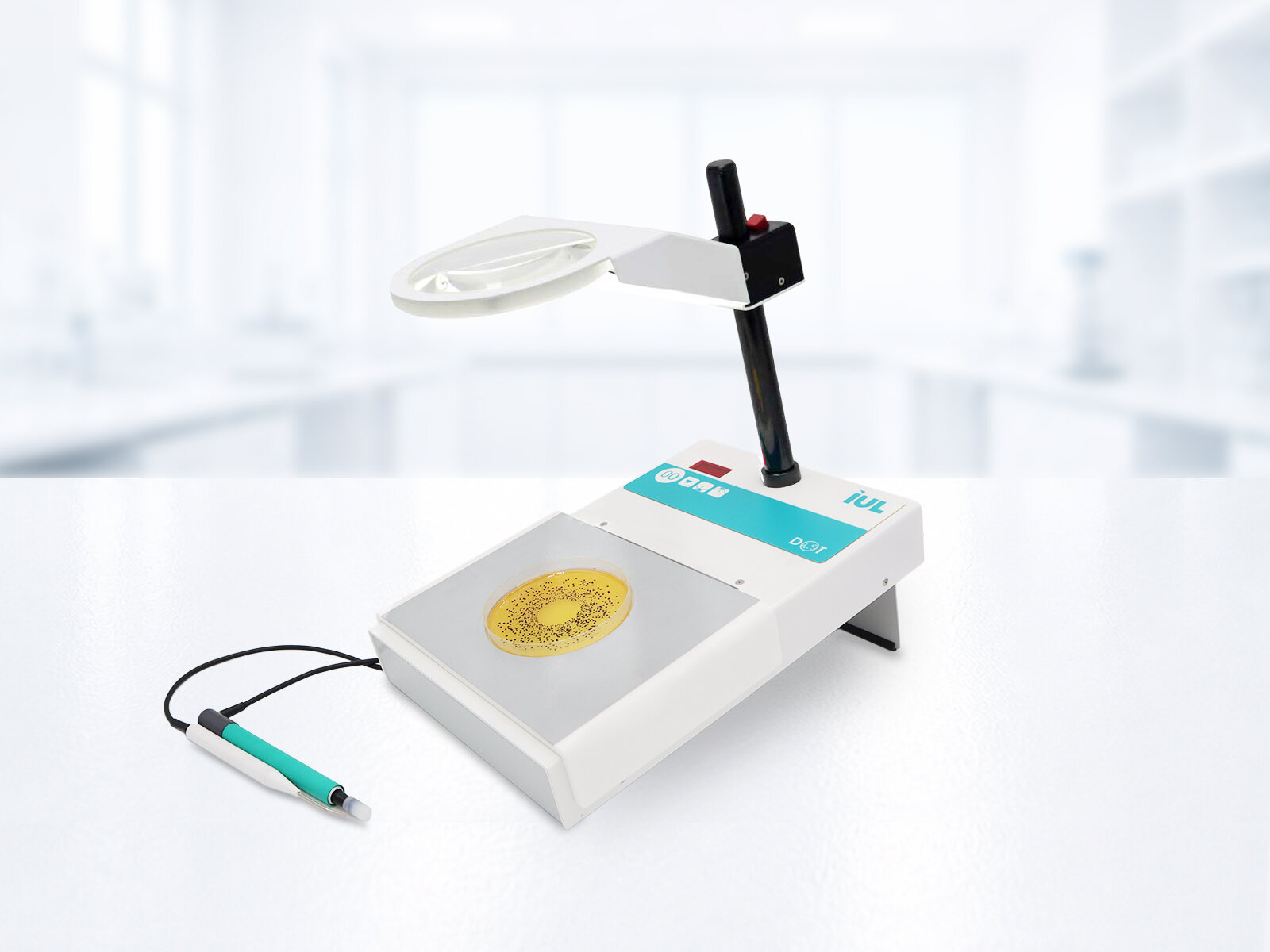
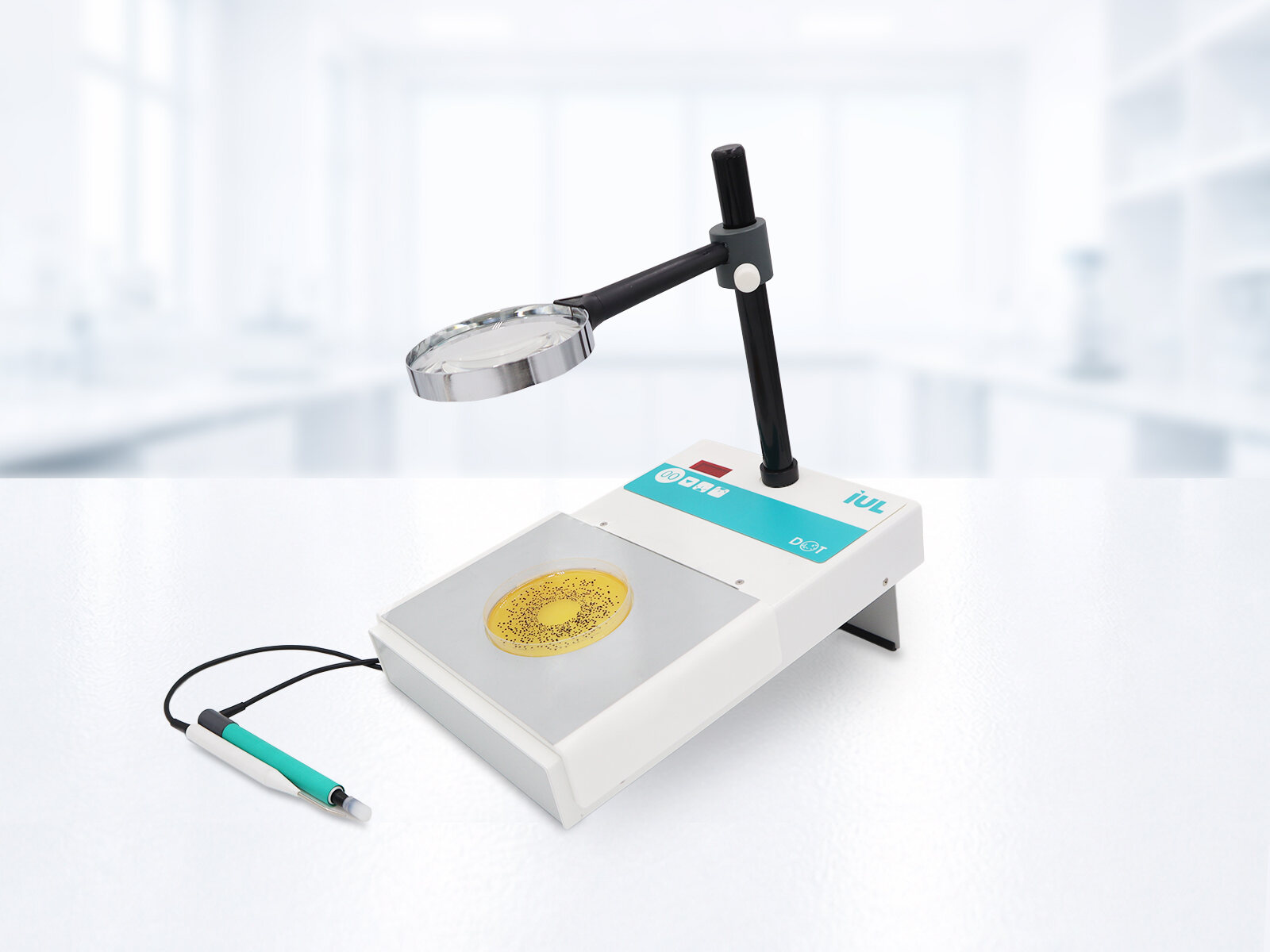
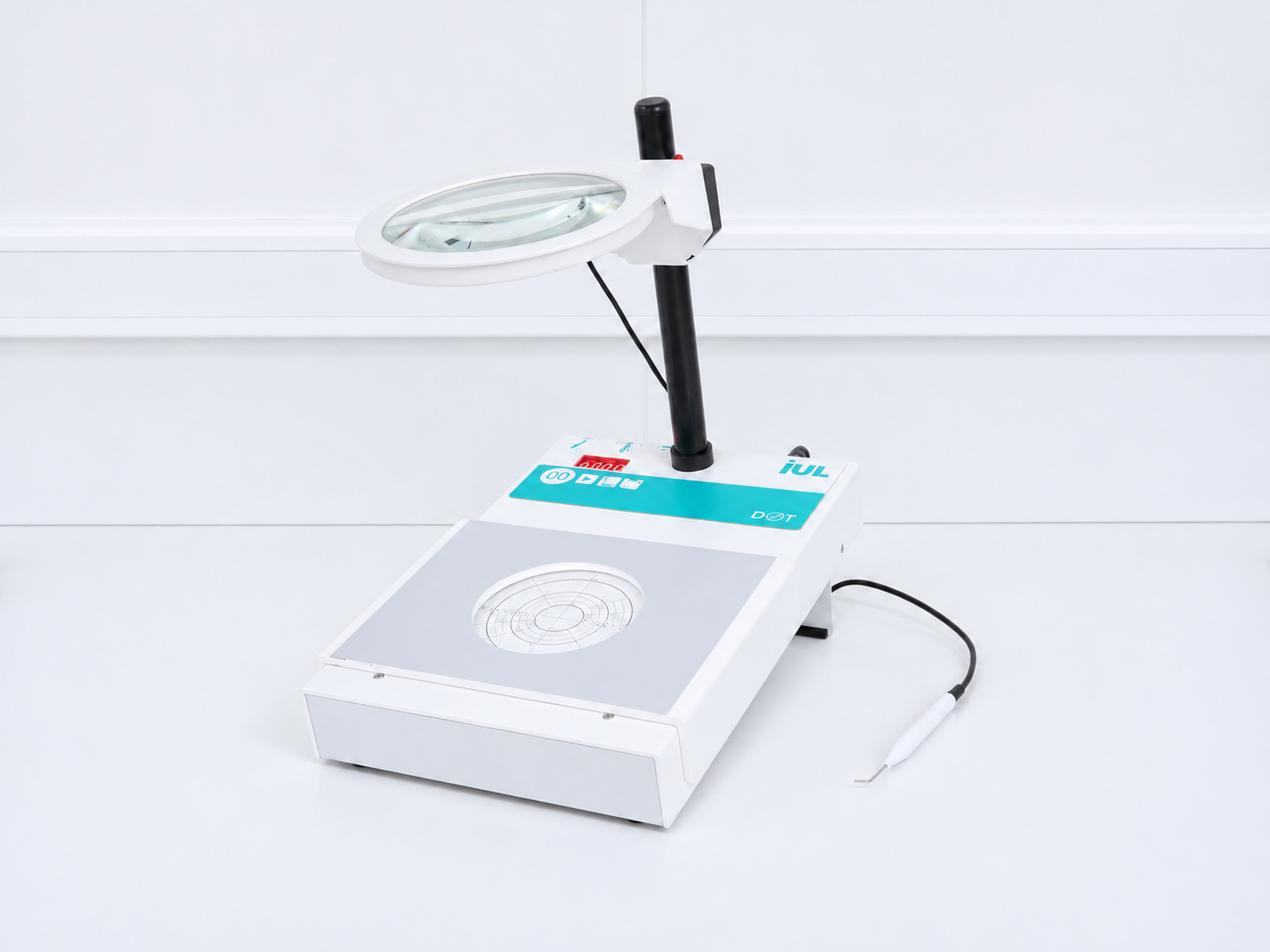
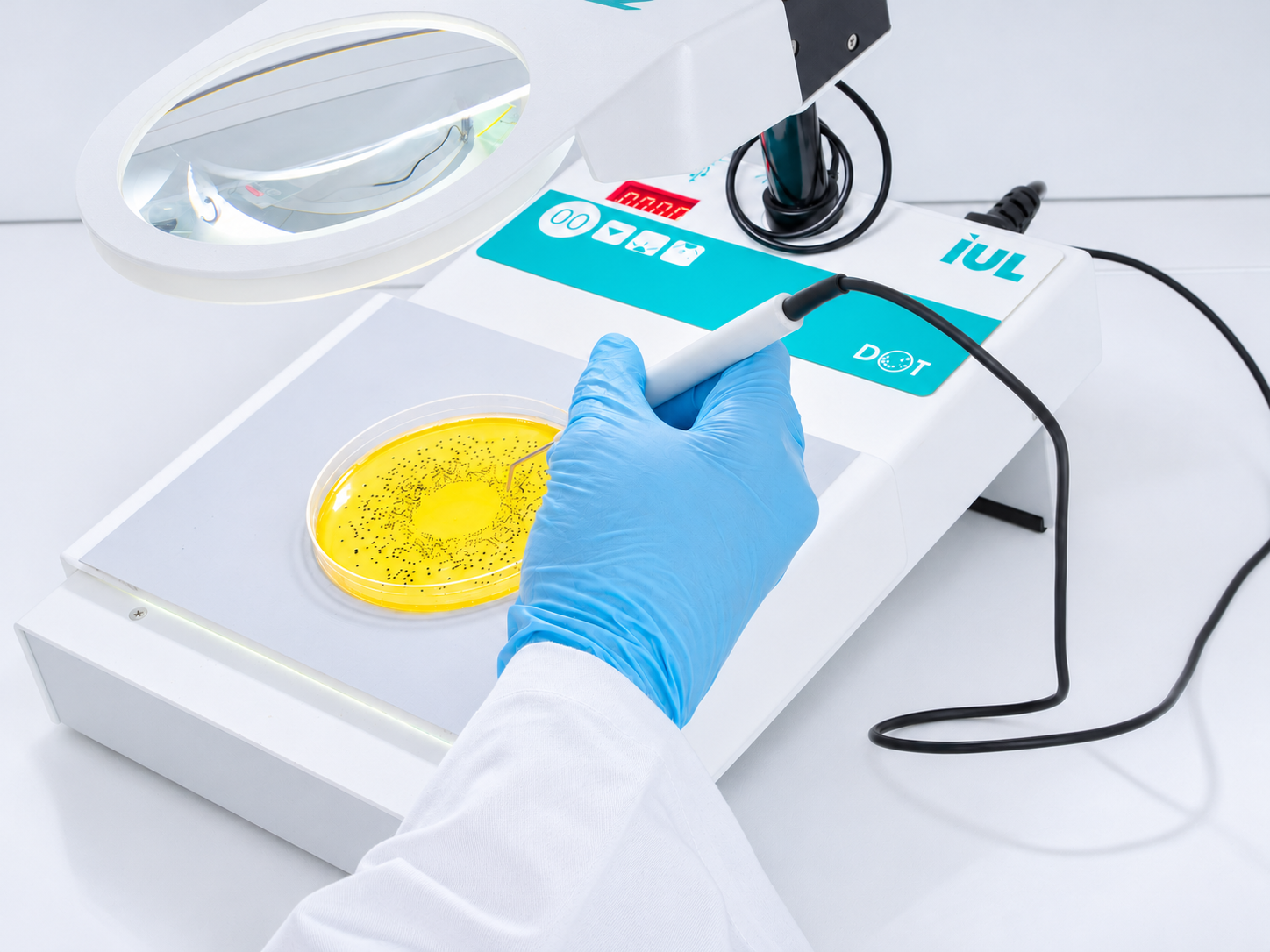
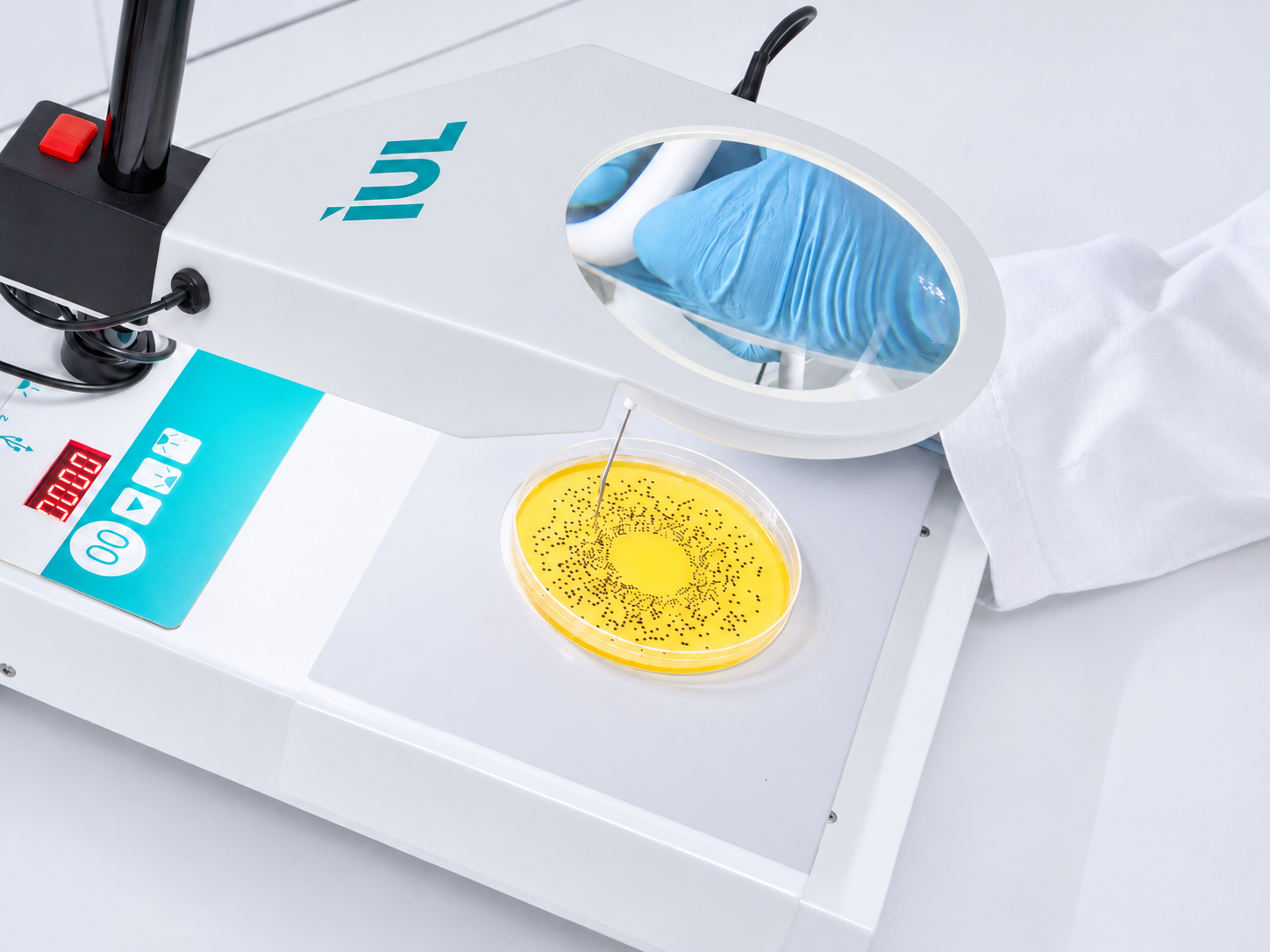
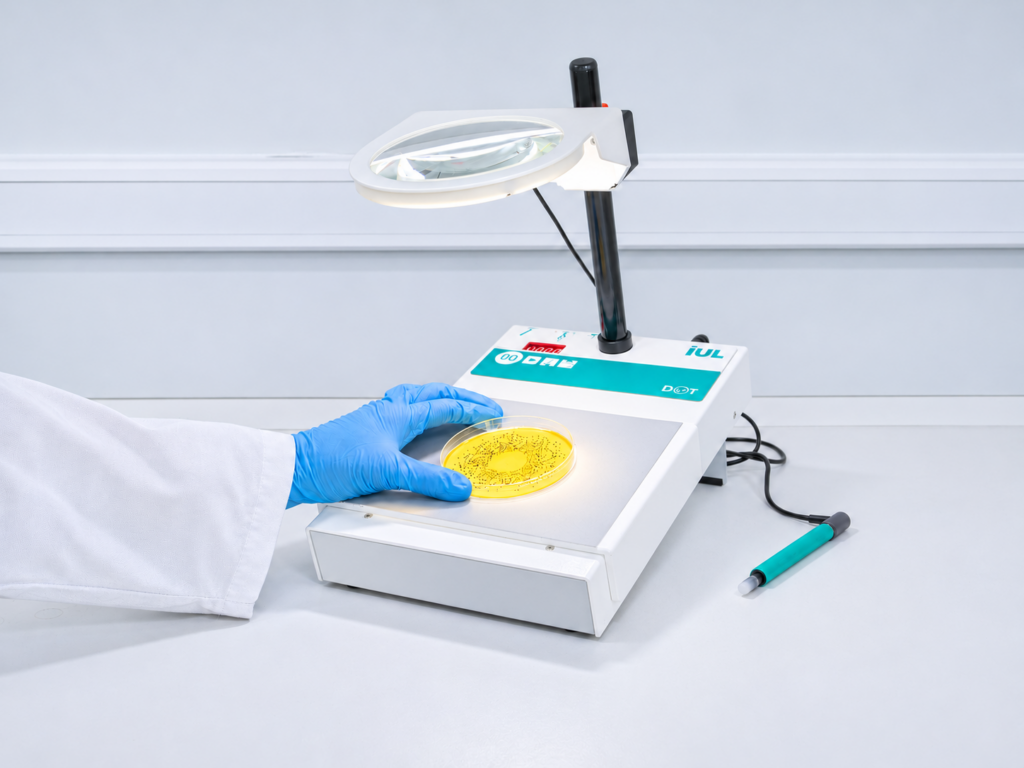
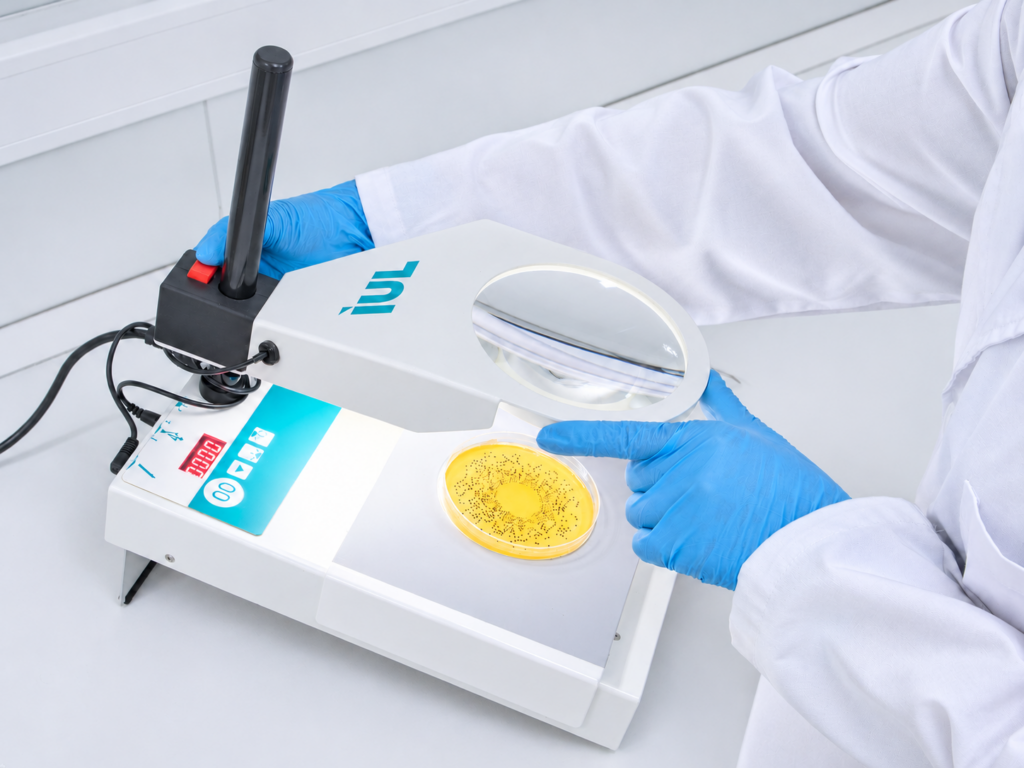
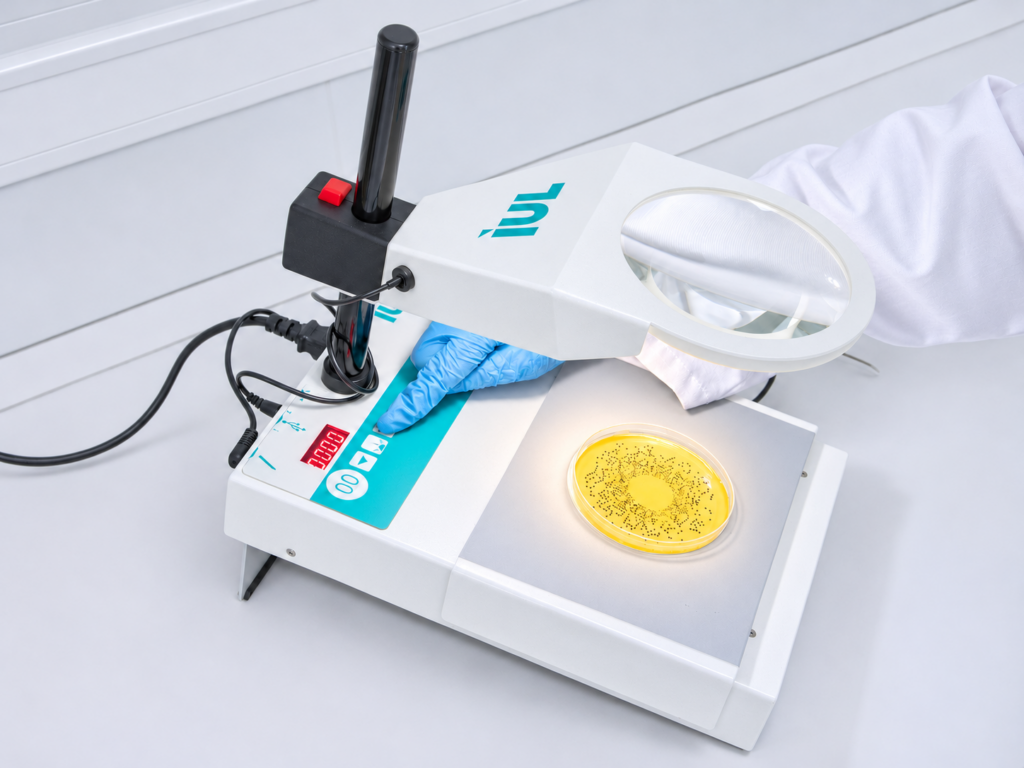
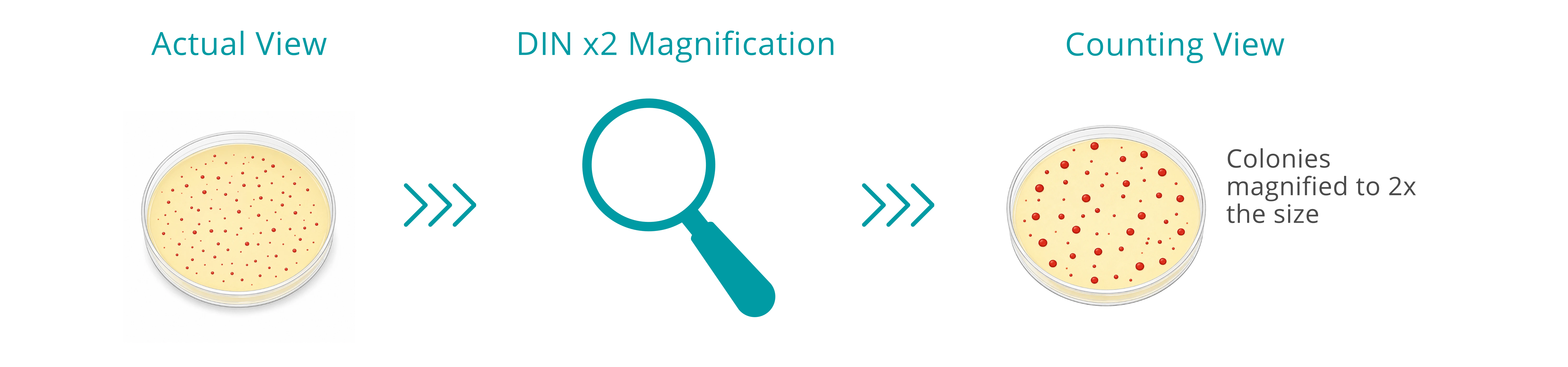
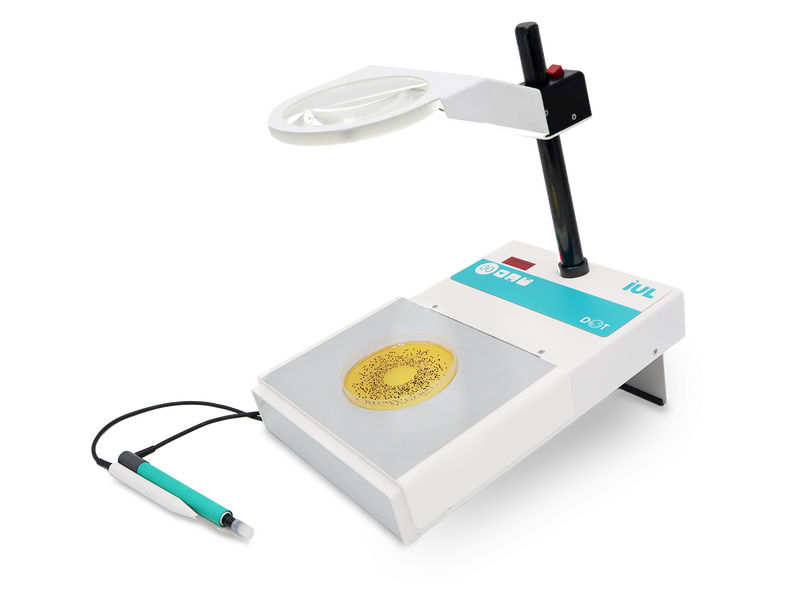
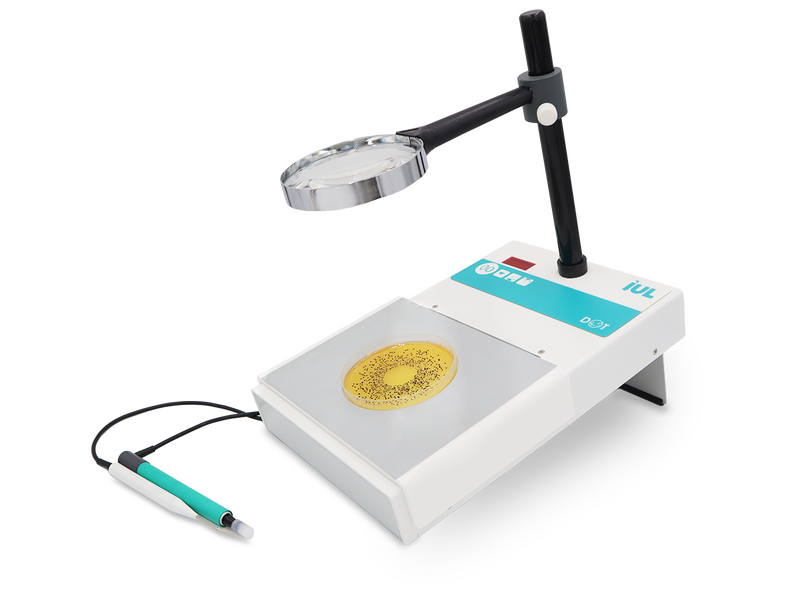
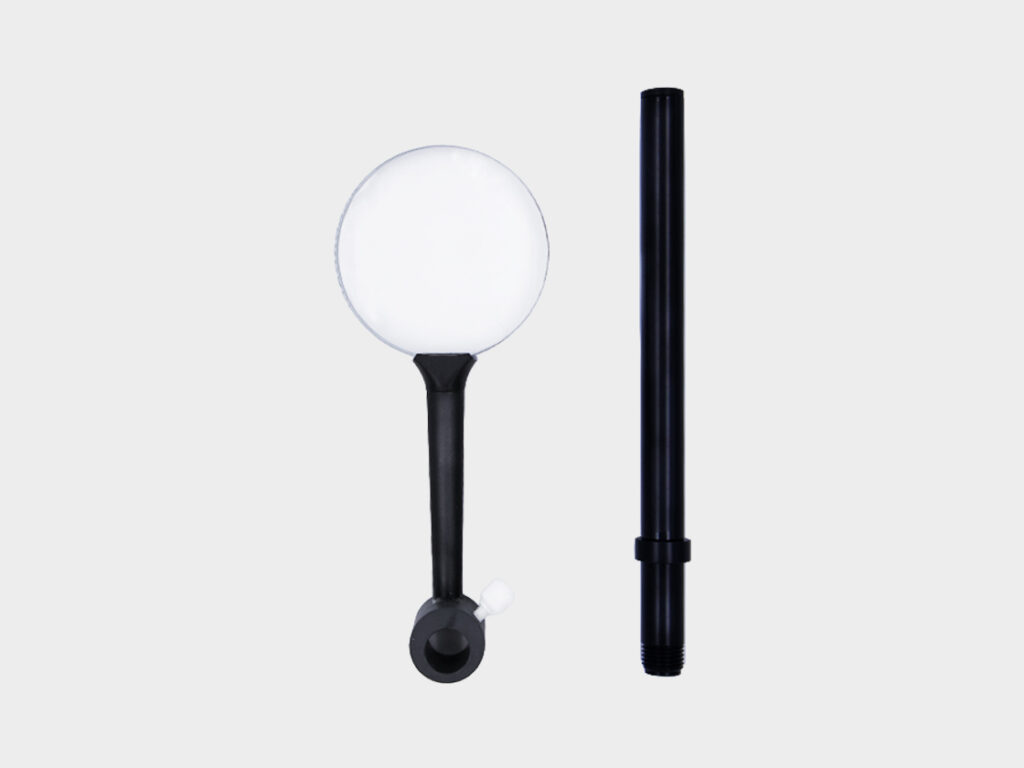
The DOT manual colony counter supports routine colony counting with a high-quality magnifying lens, an adjustable LED illumination, and a digital display. These features improve plate visibility and help reduce the visual effort associated with repetitive manual counting.
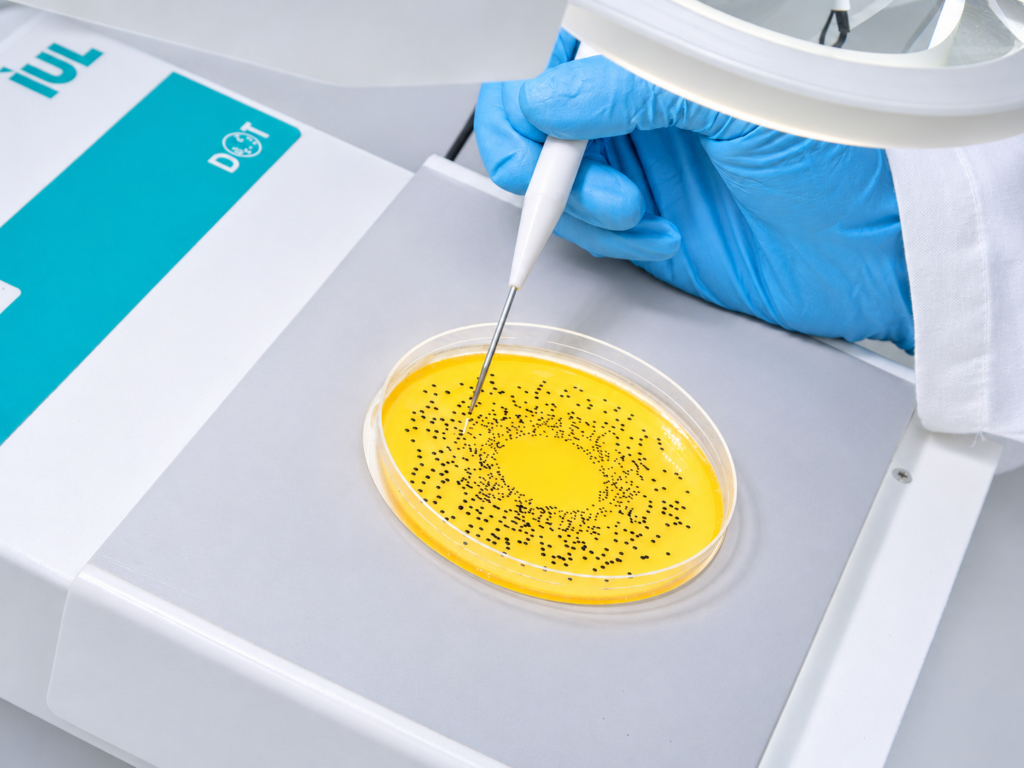
Each colony is registered by pointing to or clicking it, with the running total shown in real time on the display. DOT is suitable for standard Petri dishes and more complex formats, including spiral plates, and is designed for use in routine microbiological workflows.
Key Benefits
Magnification and LED lighting for easier colony detection.
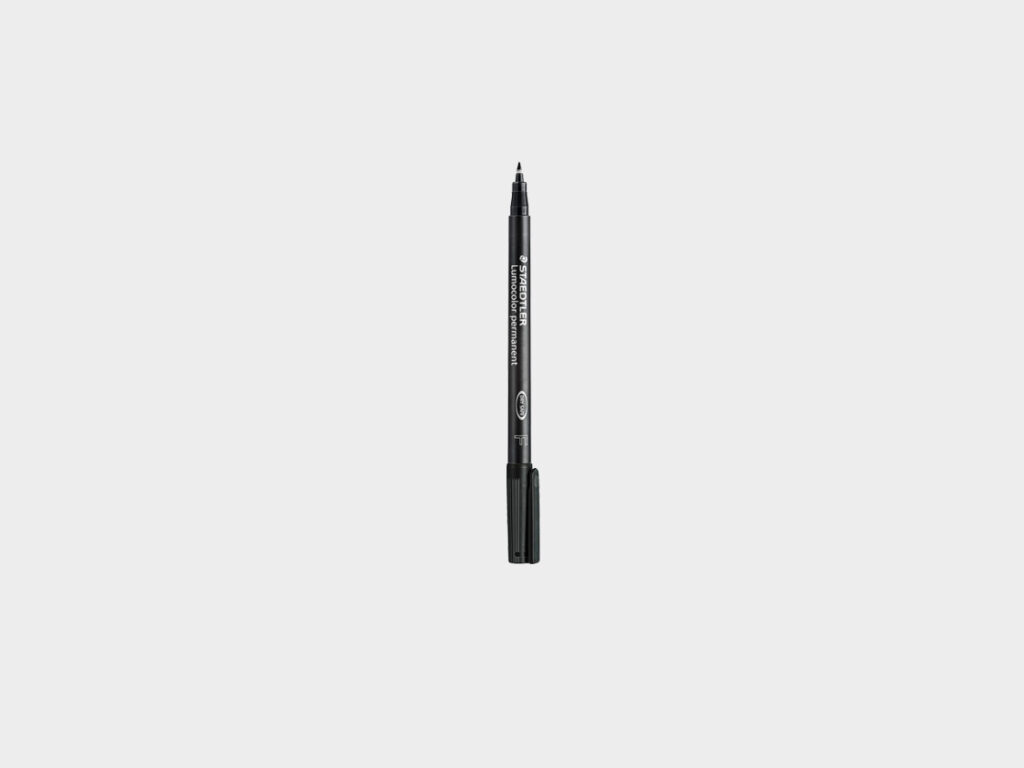
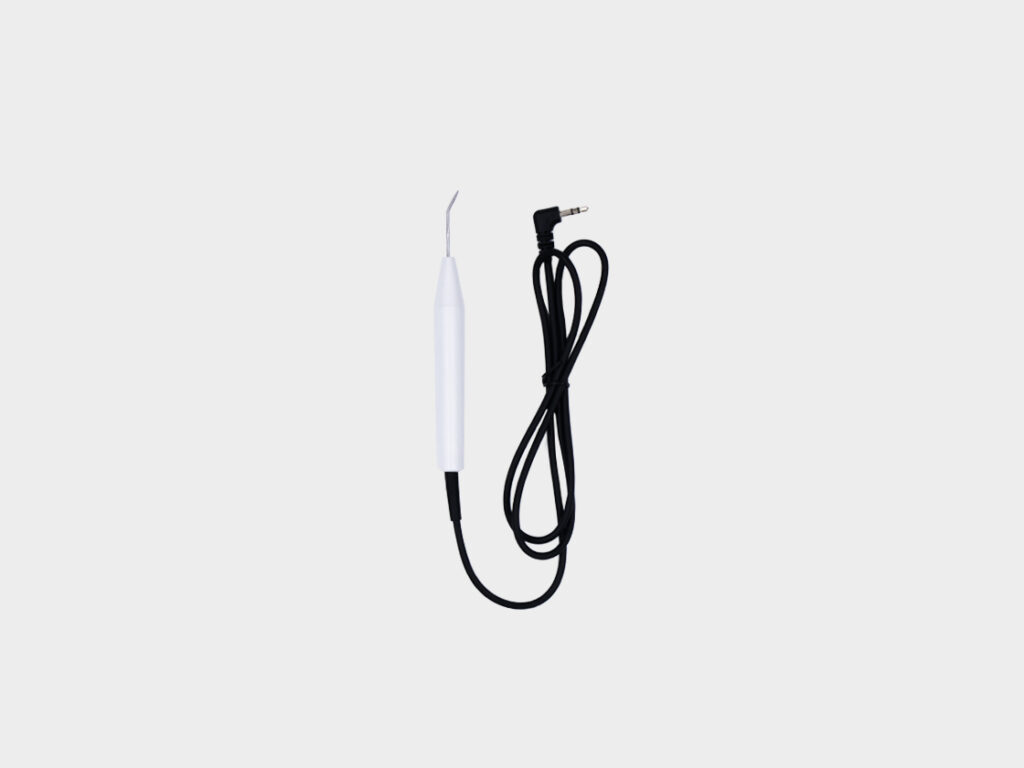
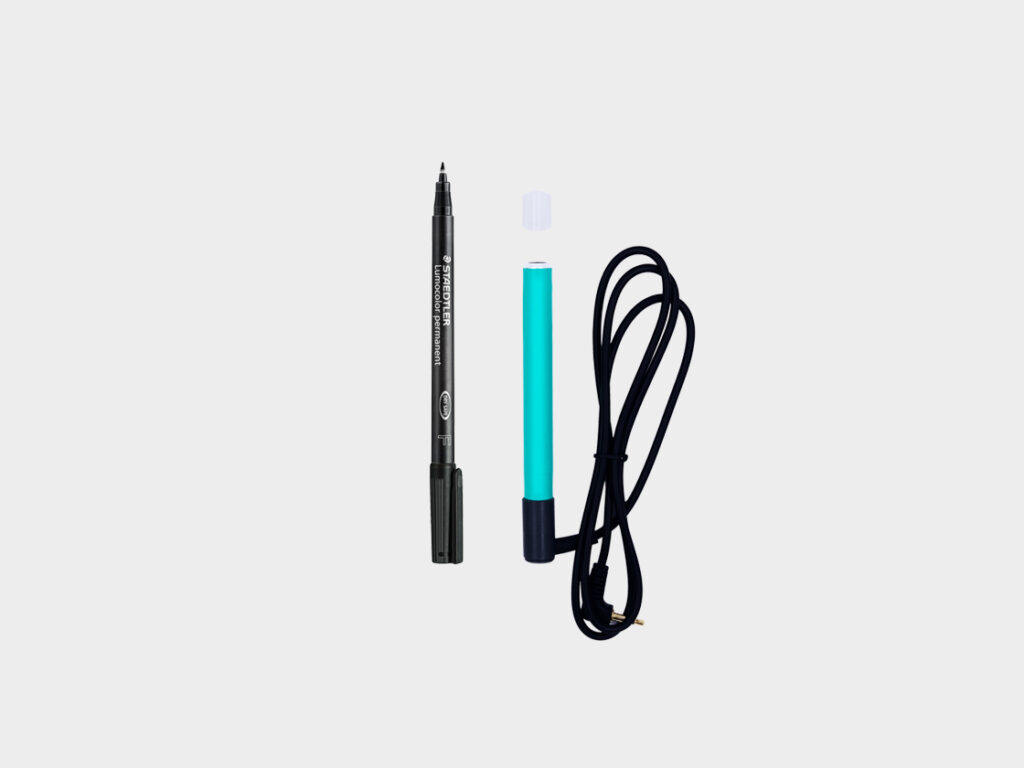
Choice between stainless steel pointer or clickable marker.
Supports Petri dishes from 55 mm to 150 mm.
Export count data directly to a spreadsheet or text document.
Workflow
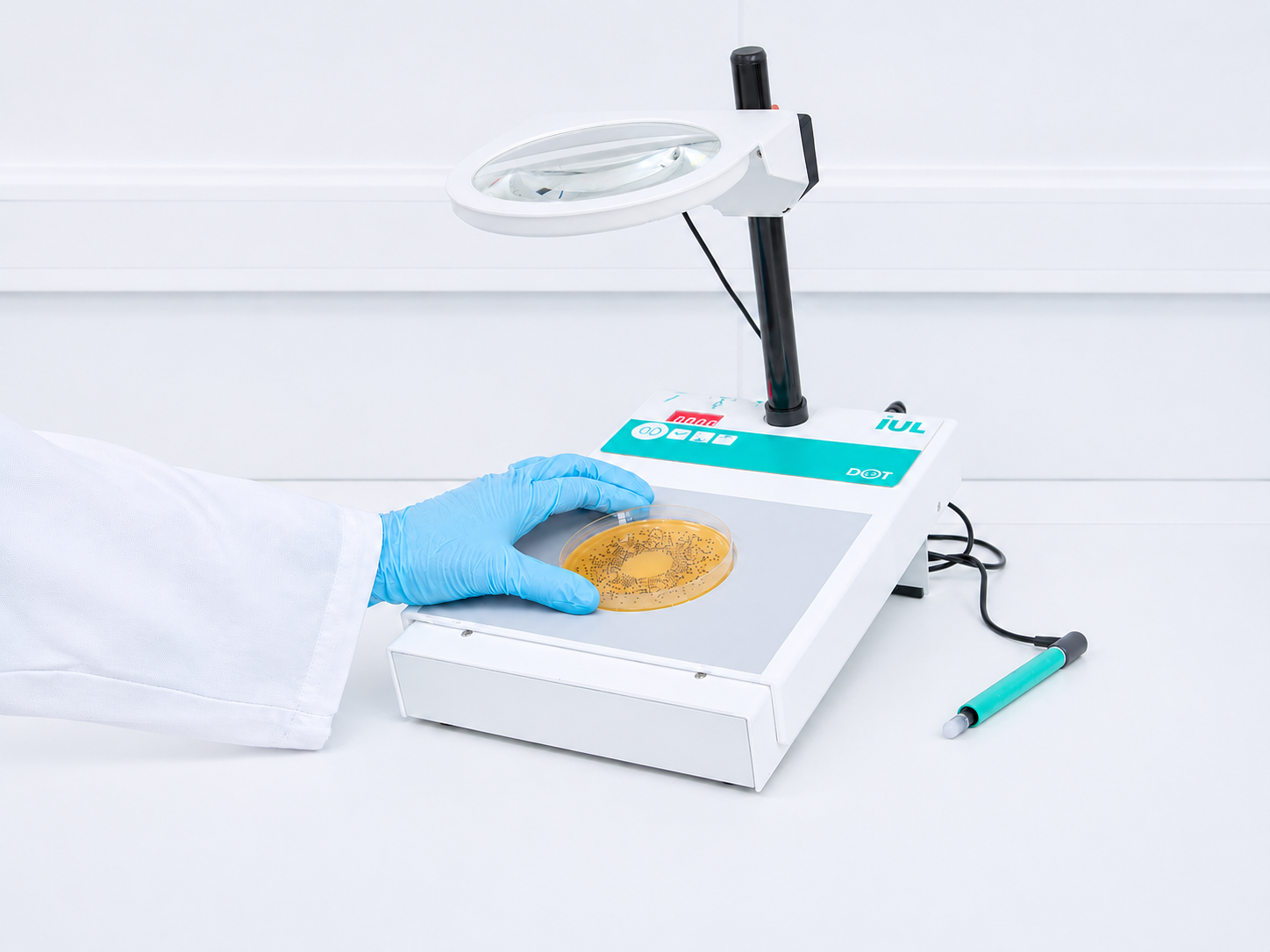
Place the plate
Adjust the magnification
Adjust the lighting
Begin counting
Our Solution at Work
Product Insights
Available with a 100 mm or 120 mm lens for enhanced colony visibility and reduced eye strain.
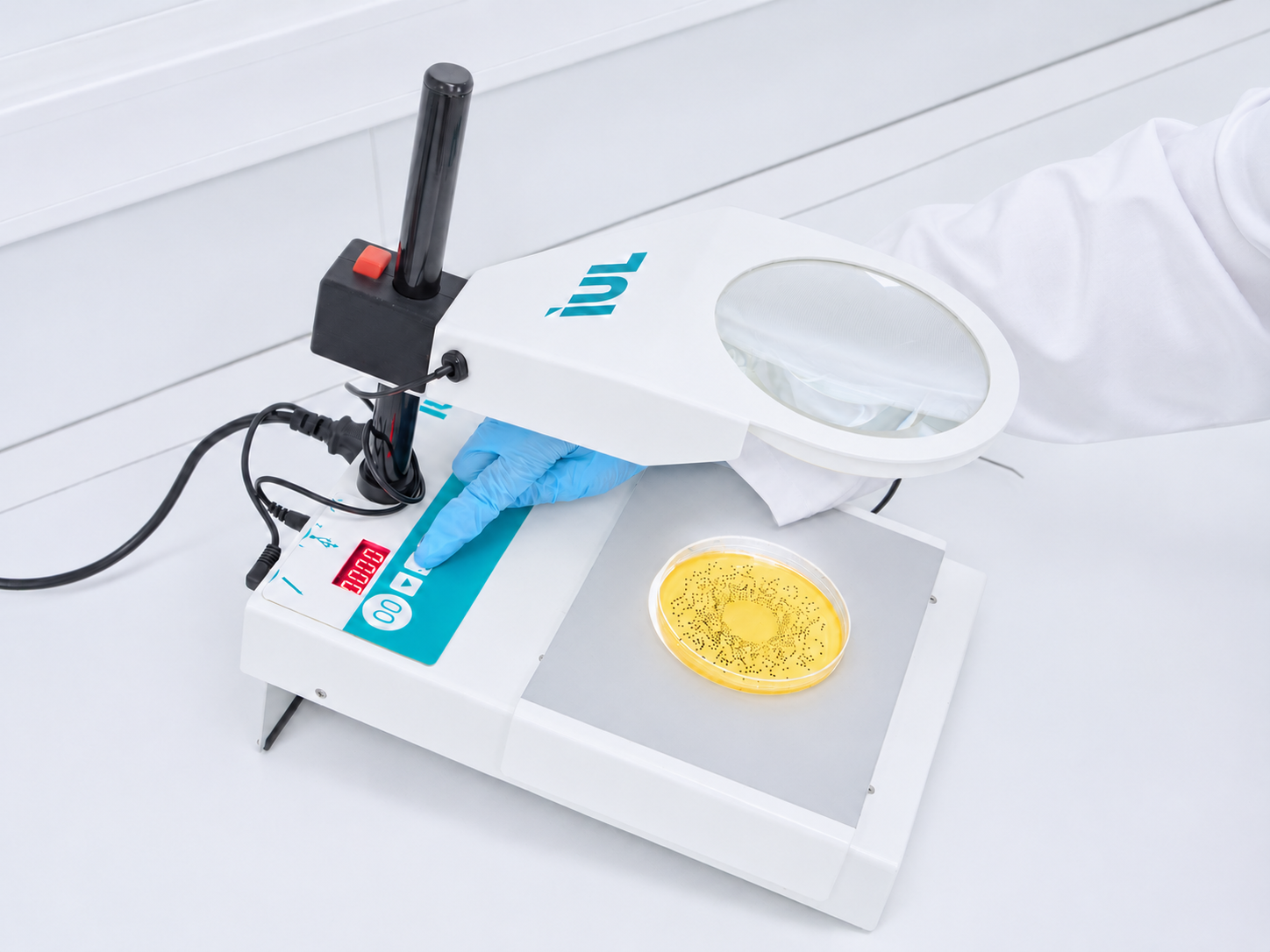
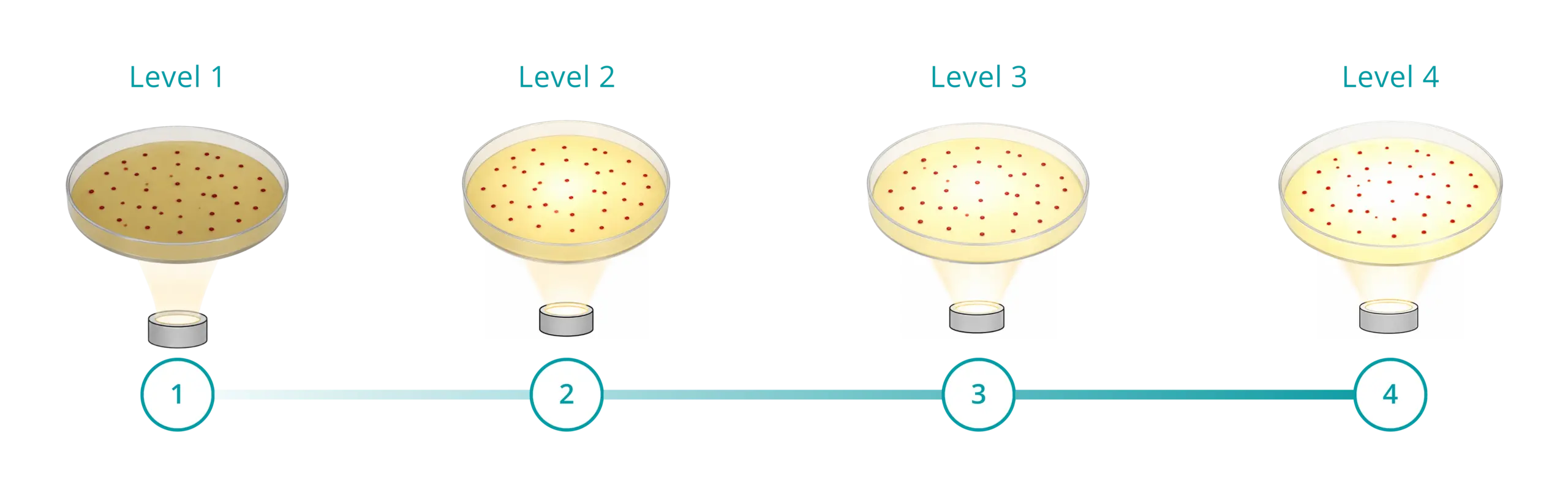
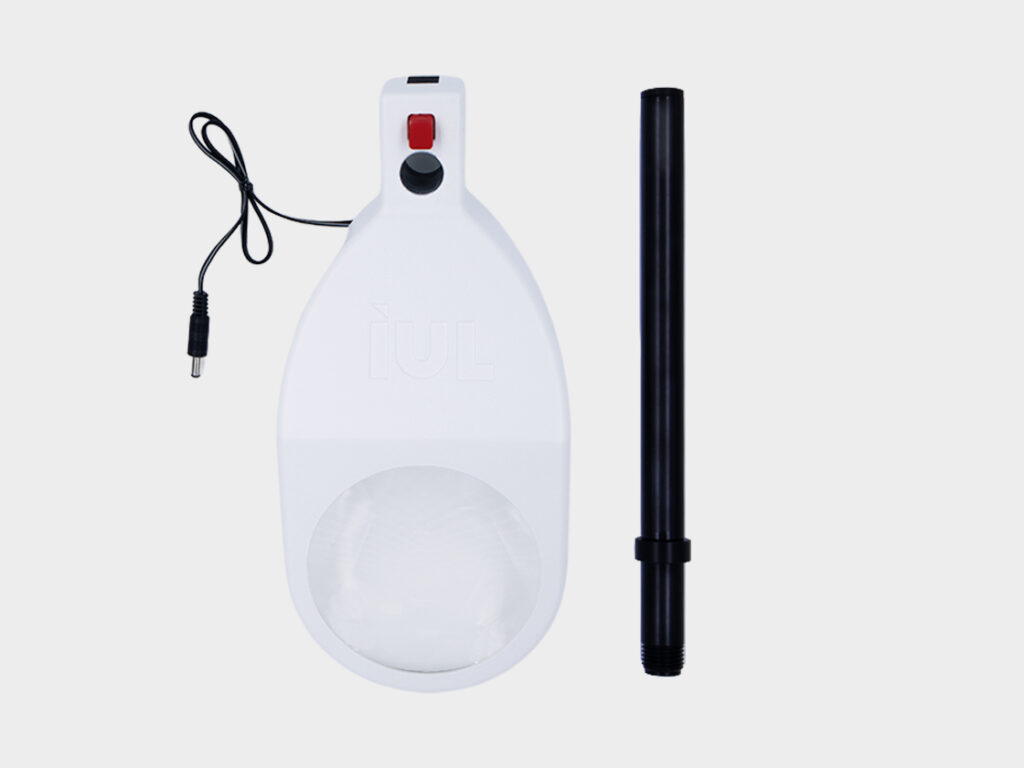
Four bottom light brightness levels help optimize contrast across different media and colony types. Top light is also available in the DOT 120 mm Magnifying Glass model (Cat. 90008700).
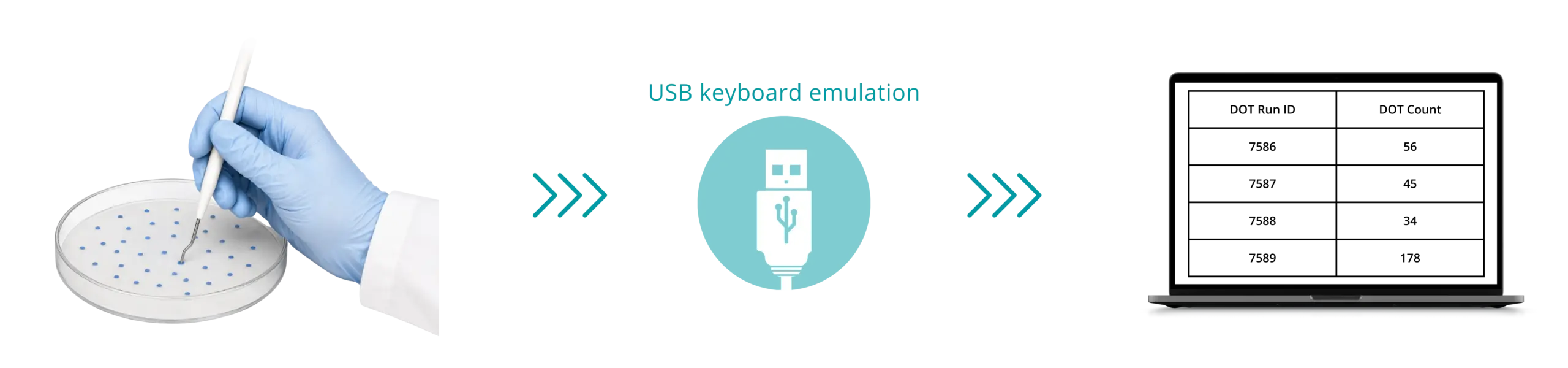
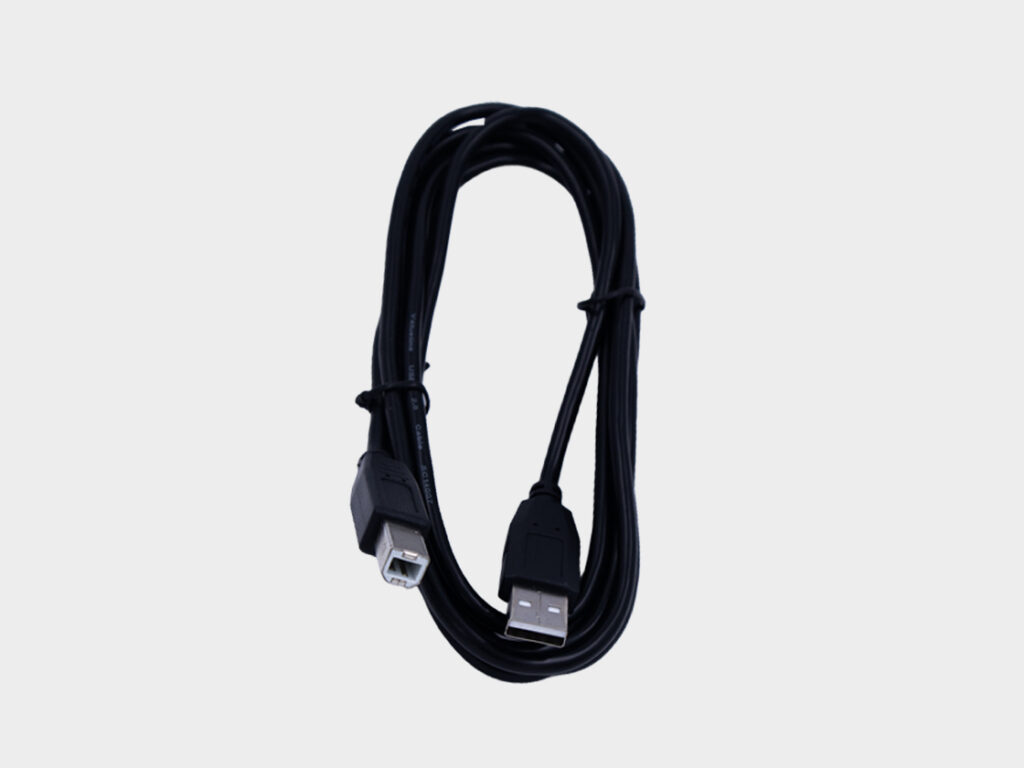
Counts can be transferred directly to PC applications through USB keyboard emulation, ensuring digital traceability for documentation, audits, or digital reports.
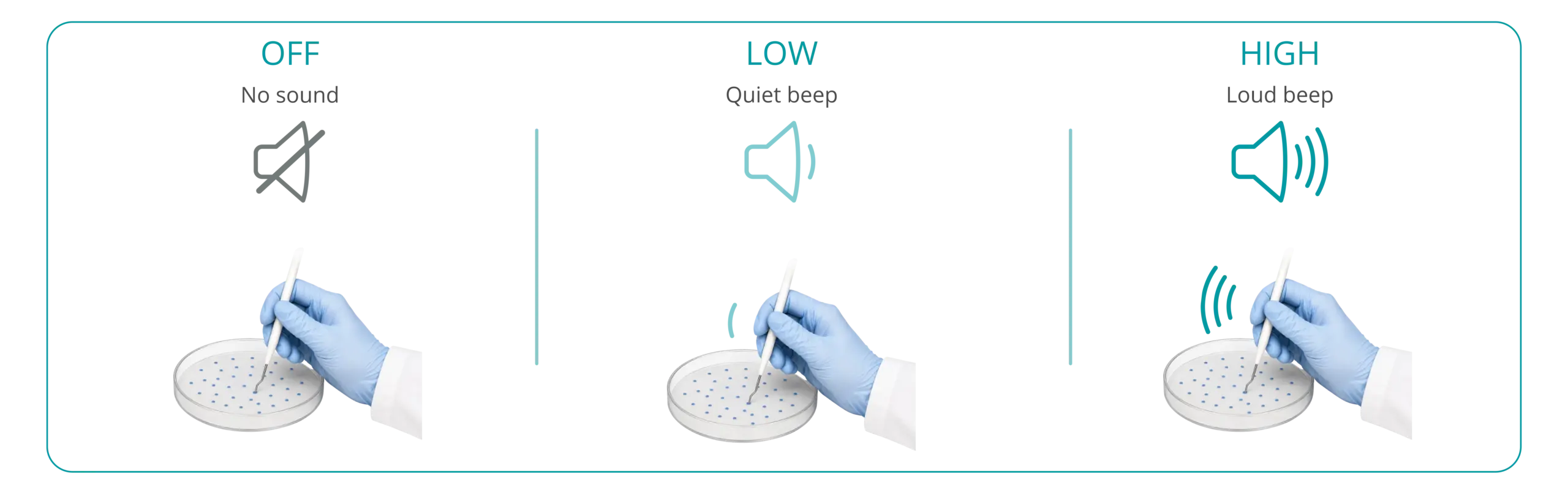
Confirms each count with an audible signal to support accurate counting. Volume can be set to Off, Low, or High.
Technical Specifications
![]() | ![]() | |
| DOT 120 mm Magnifying Glass | DOT 100 mm Magnifying Glass | |
|---|---|---|
| Cat. | 90008700 | 9008701 |
| Magnifying glasses | DIN 2x 120 mm Ø biconvex | DIN 2x 100 mm Ø biconvex |
| Upper Light | ✓ | x |
| Bottom Light | 4 selectable intensities | |
| Plate Compatibility | 55-150 mm petri dishes | |
| Inoculation Mode and Media Compatibility | Membrane filters, spiral, spread, and pour inoculation modes. | |
| Counting tool | Clickable permanent marker or stainless contact pointer | |
| Audible count confirmation | 3 volume levels (Off, Low, High) | |
| Operator Interface | 4-digit LED display | |
| Connectivity | PC, SphereFlash® Colonies Software | |
| Compliances | CE-marked, allows compliance with ISO 7218 | |
| Equipment dimensions (L×W×H) | 21.1 x 39.5 x 32.0 cm / 8.3 x 15.6 x 12.6 in | 21.1 x 35.5 x 32.0 cm / 8.3 x 14.0 x 12.6 in |
| Net weight | 3.2 kg / 7.0 lb | 2.7 kg / 6.0 lb |
| Package dimensions (L×W×H) | 30 x 40 x 21 cm / 11.2 x 15.7 x 8.3 in | |
| Gross weight | 4.5 kg / 9.9 lb | 4.1 kg / 9.0 lb |
Specifications subject to change without notice.
Accessories
Tutorial Videos
Downloads
Frequently Asked Questions
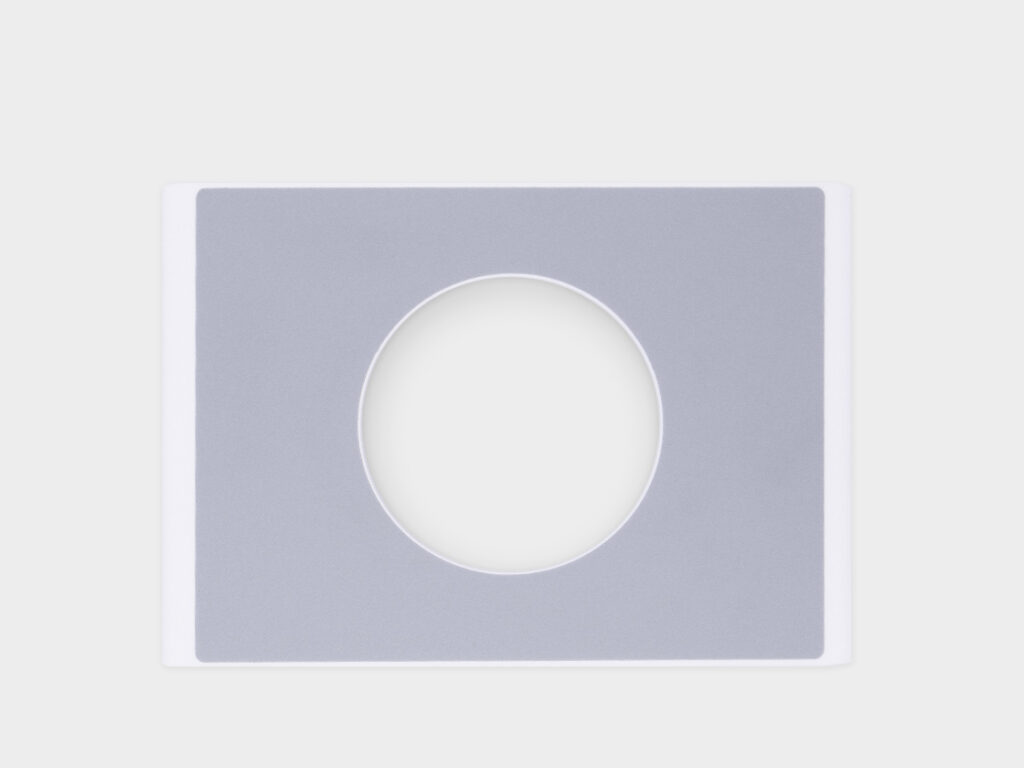
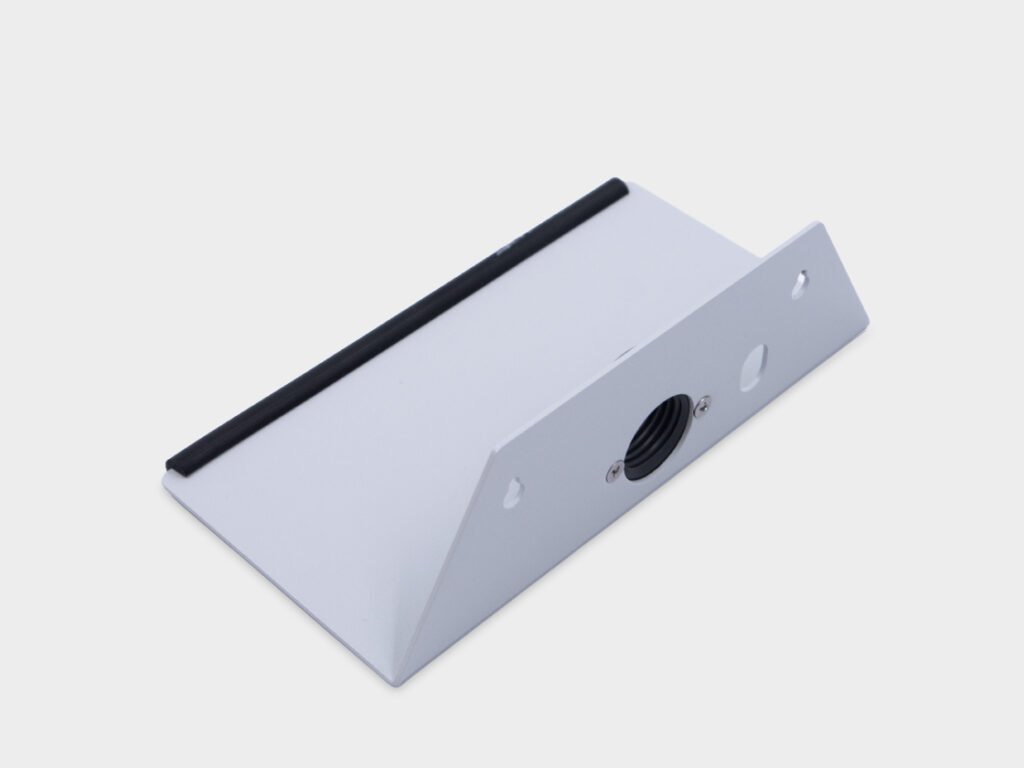
The DOT manual colony counter supports Petri dishes ranging from 60 mm to 150 mm in diameter. A 90 mm centering device is included as standard, while optional adapters are available for 60, 70, 80, 100, 120, and 150 mm plates, providing flexibility for a wide range of microbiological applications.
Yes. The DOT features adjustable LED illumination with four selectable brightness levels, allowing users to optimize contrast and colony visibility. Models equipped with the optional 120 mm magnifier also include upper lighting to improve the detection of translucent and difficult-to-see colonies.
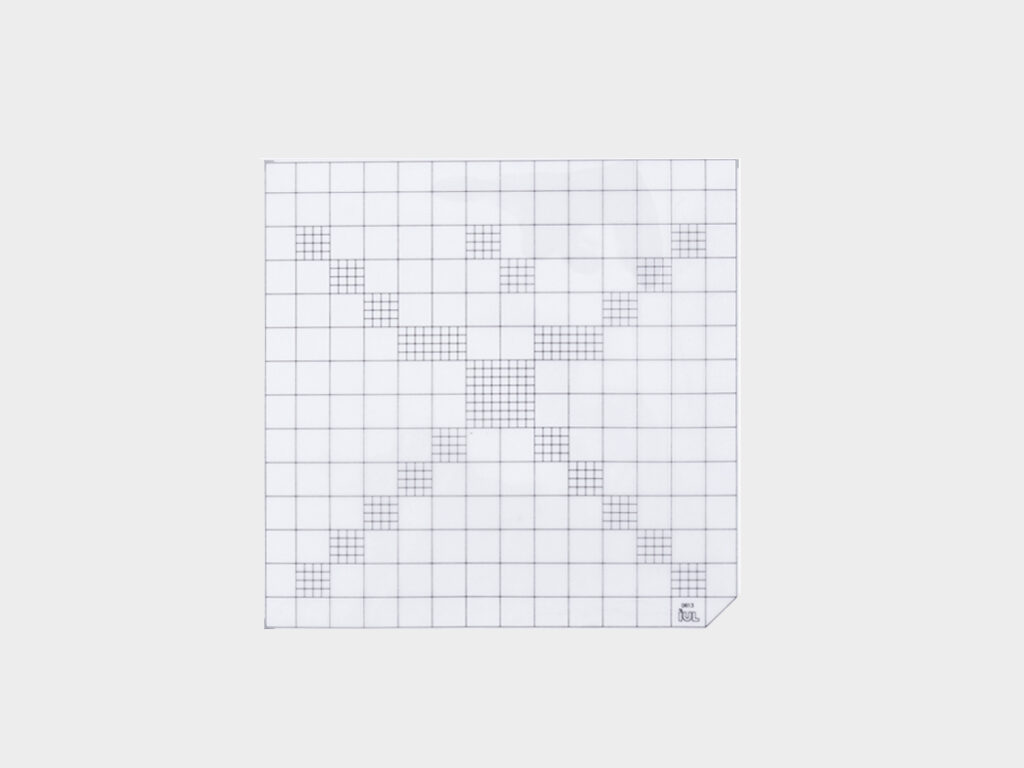
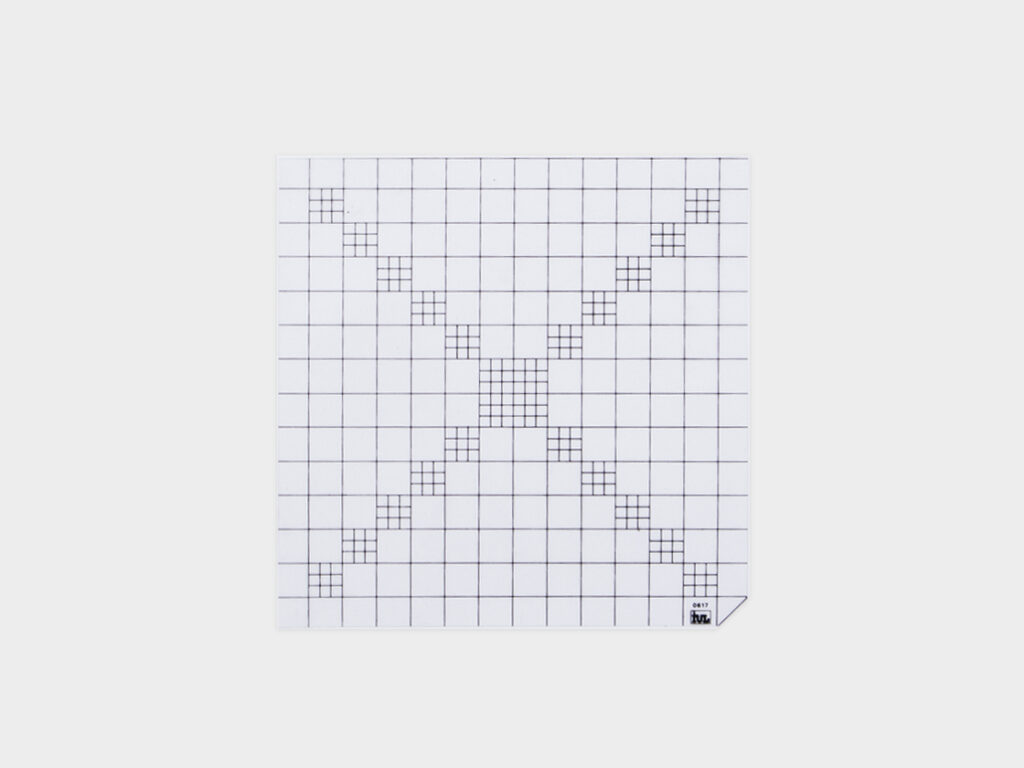
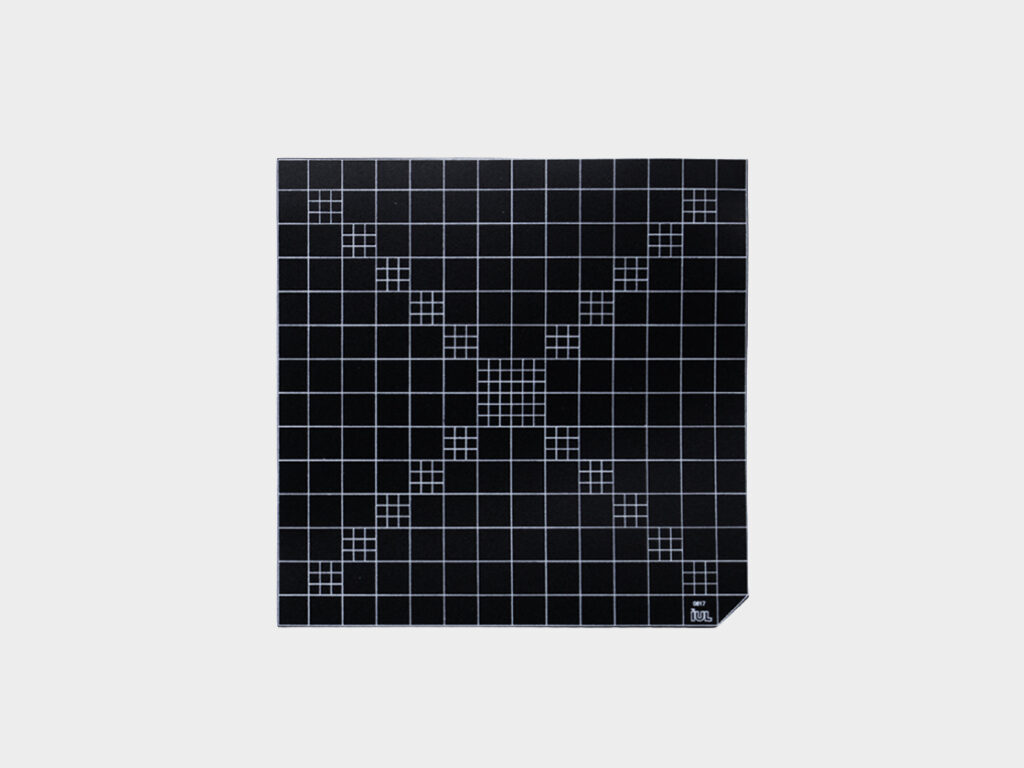
Yes. The DOT can be used for spiral plate counting when fitted with the optional spiral counting template kit. The kit includes transparent and black spiral guides with concentric circle references, enabling accurate colony counting on spiral-inoculated plates.
Yes. The DOT connects to any PC via USB using keyboard emulation technology. Colony count data can be transferred directly into Microsoft Excel®, Word®, Laboratory Information Management Systems (LIMS), and other laboratory software for streamlined data recording and traceability.
Yes. The DOT integrates with SphereFlash® Colonies Software, allowing colony count data to be processed automatically. The software can calculate microbial concentrations based on the selected counting method, sample volume, and dilution factors, helping improve efficiency and result accuracy in microbiology laboratories.