Food & Beverage

Quality control in the food and beverage industry is essential for ensuring product safety, consistency, and regulatory compliance. From raw material testing and environmental monitoring to final product release, laboratories need accurate, traceable, and reproducible results.

Standardized microbiology workflows help food manufacturers meet requirements such as HACCP, ISO 22000, FSSC 22000, BRCGS, IFS Food, and Regulation (EC) No 2073/2005 while improving efficiency and contamination control.

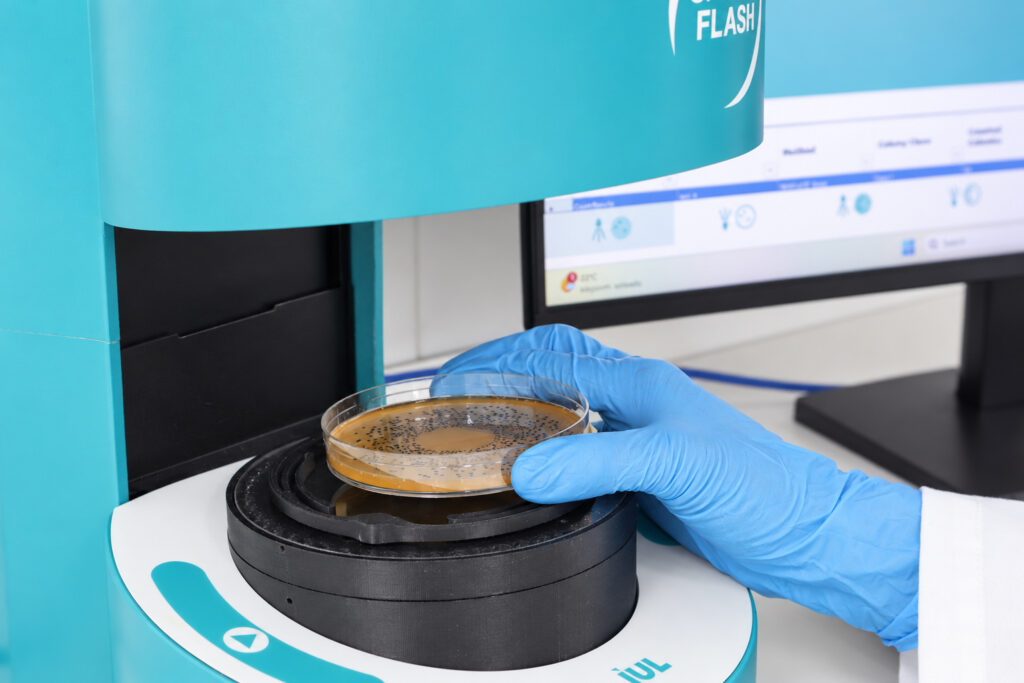
Microbiology Quality Control

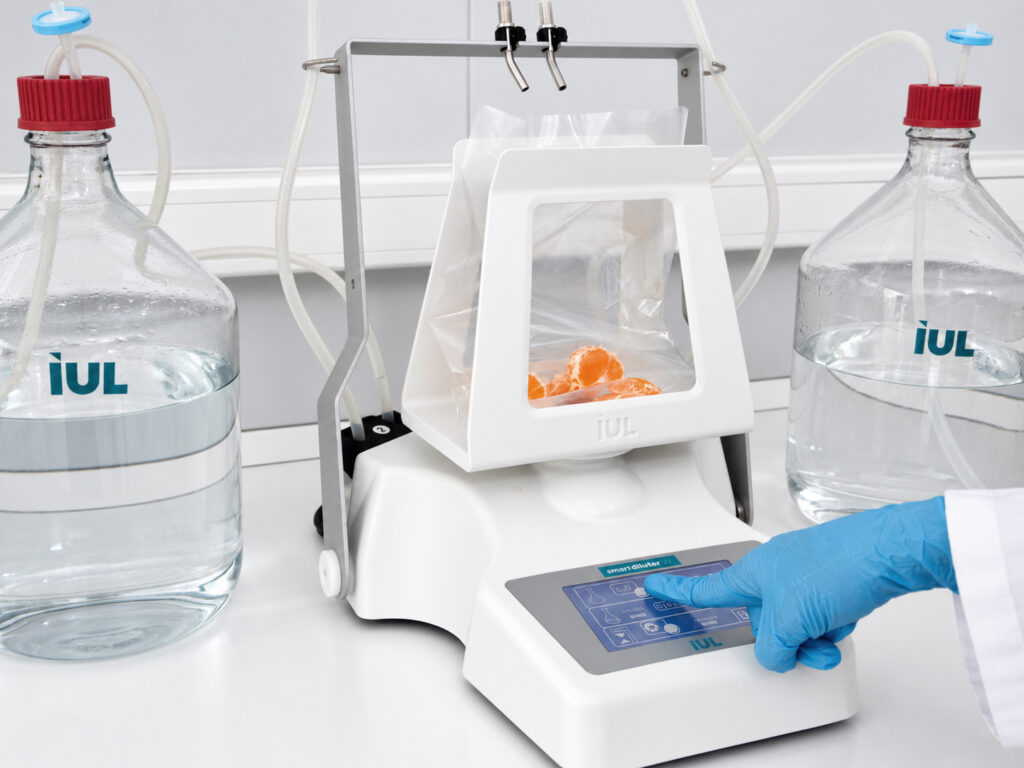
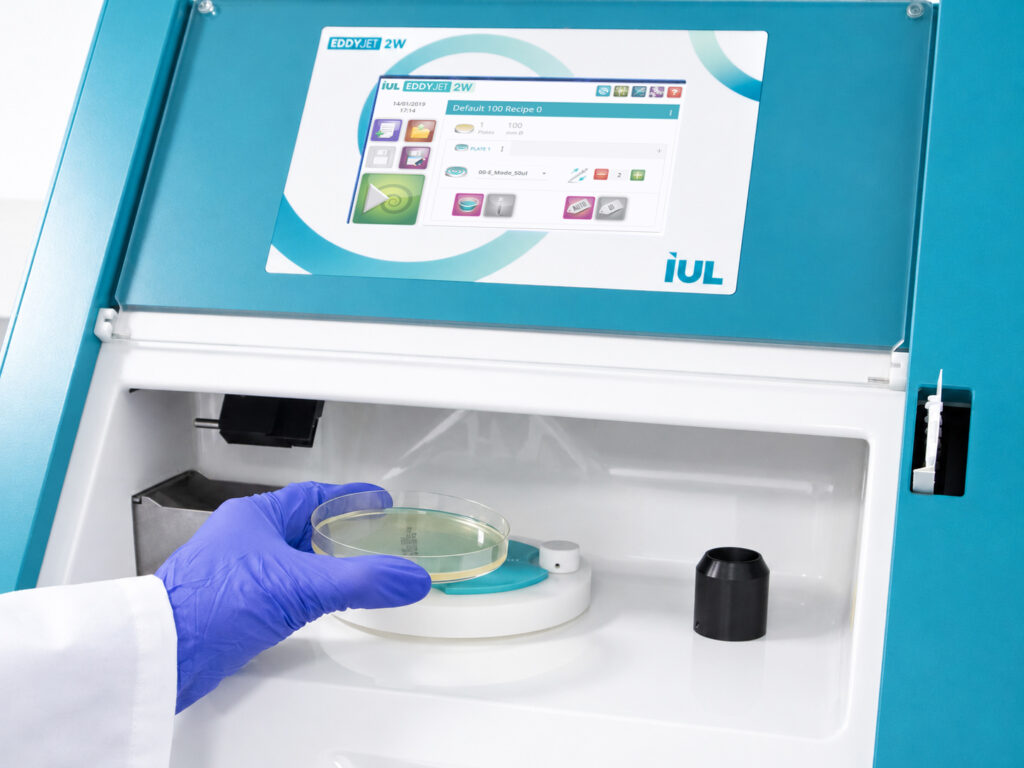
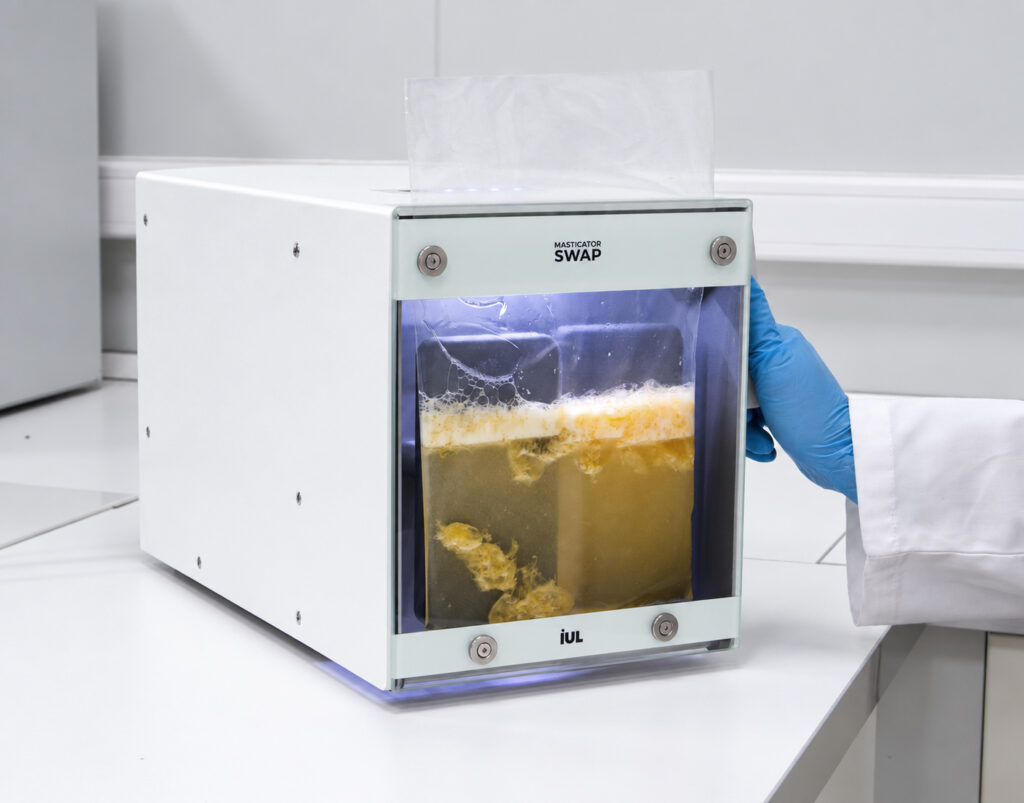
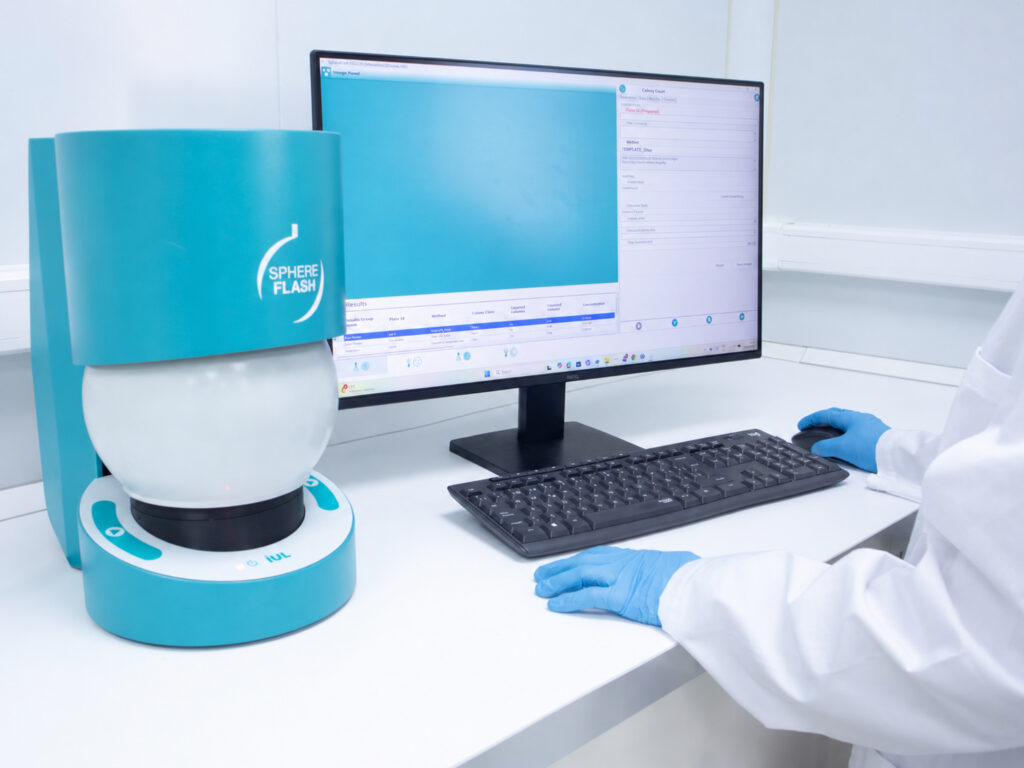
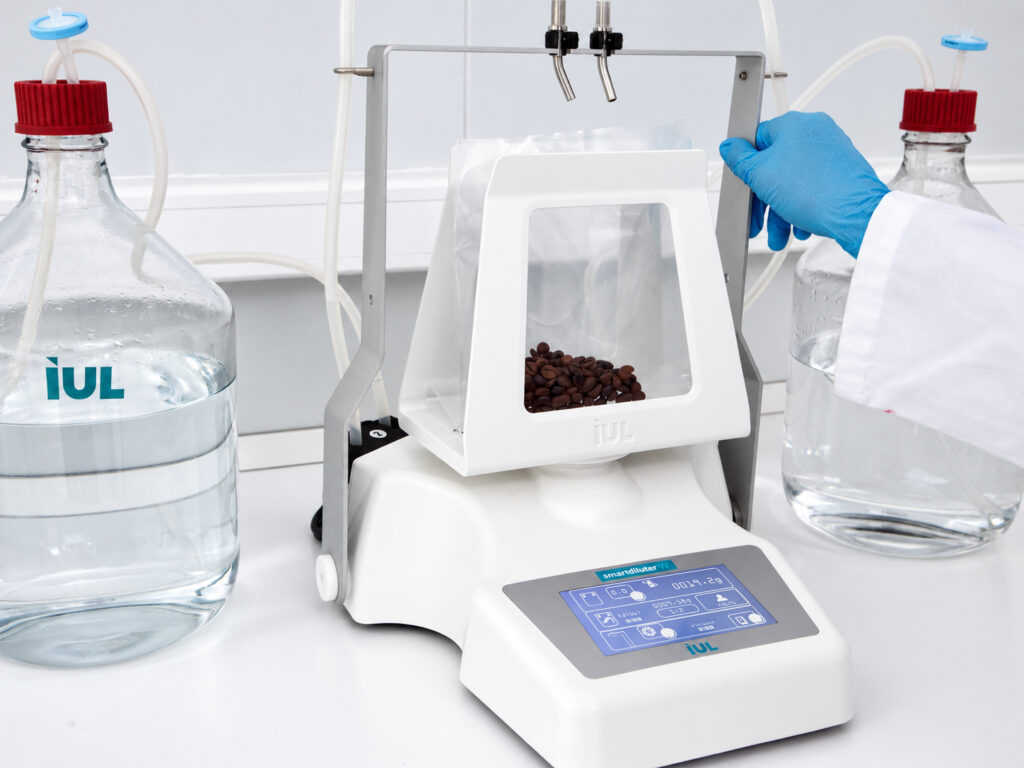
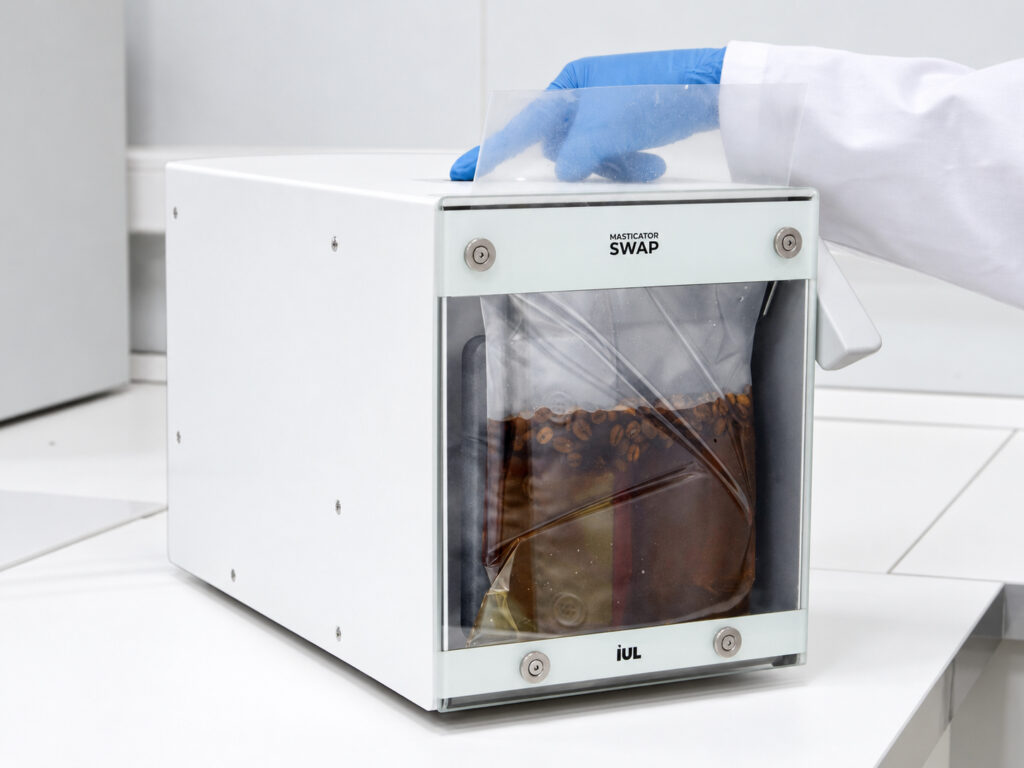
Microbiological quality control supports the detection and enumeration of microorganisms across food products, ingredients, and production environments.

Typical testing includes TVC, yeast and mold, Salmonella, Listeria monocytogenes, E. coli, coliforms, and environmental surface monitoring.

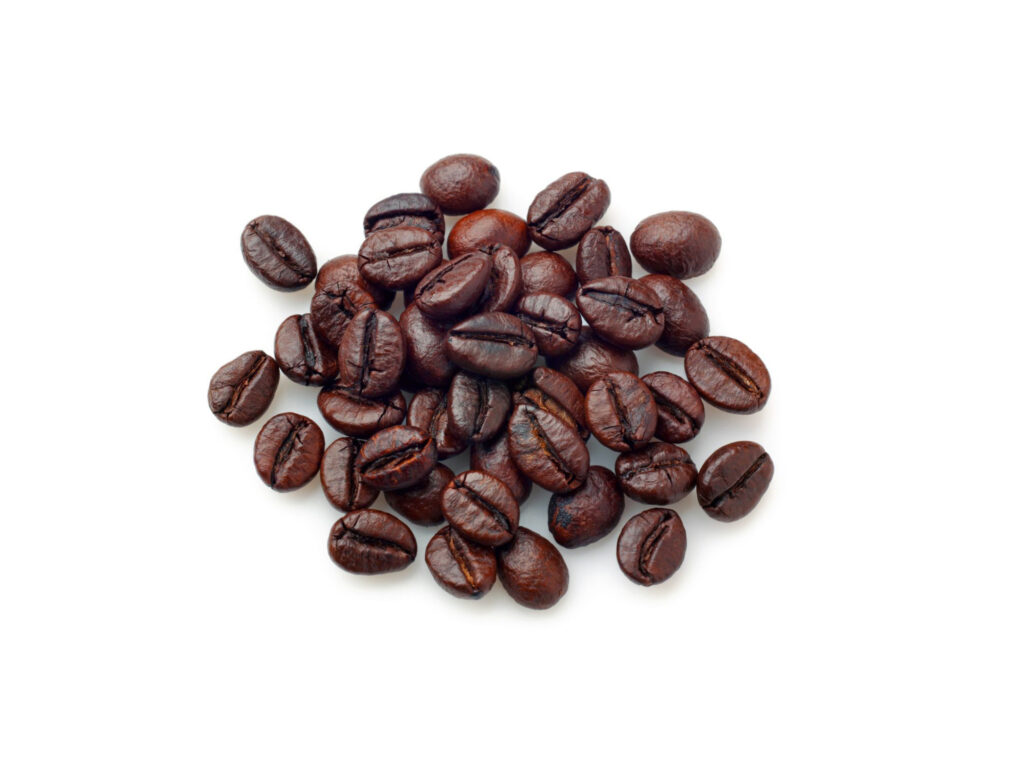
Laboratories must also manage diverse sample types, from dairy and beverages to meat, plant-based, and ready-to-eat foods, while maintaining efficient and standardized testing workflows.

Workflow

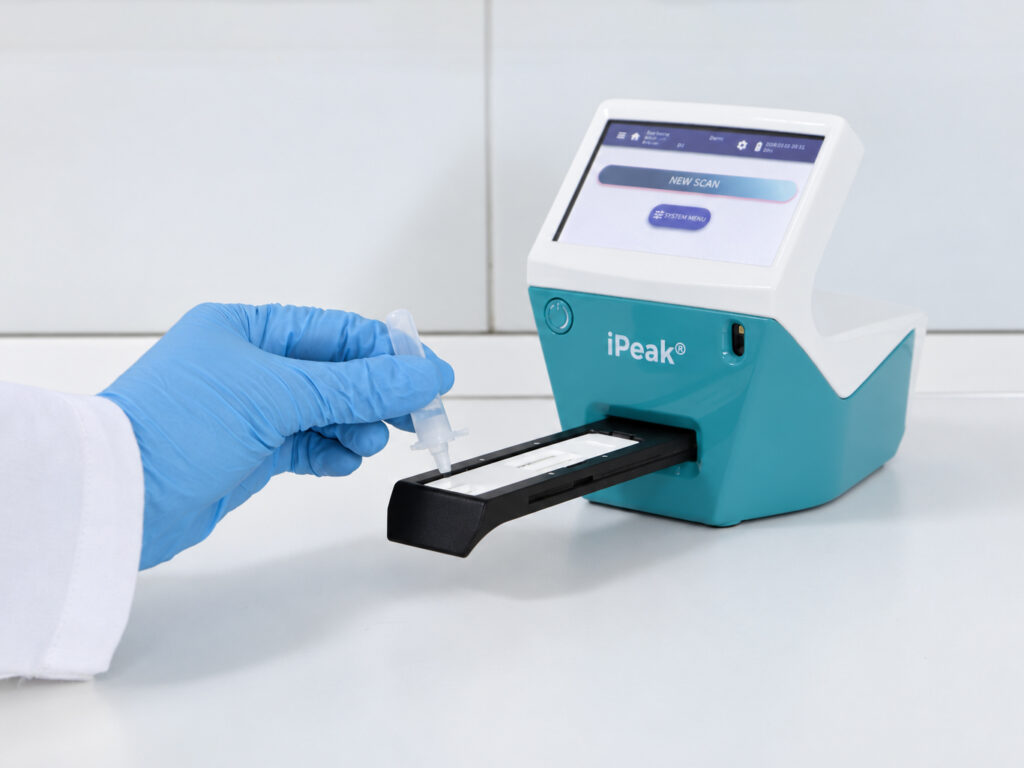
Rapid Quality Control

Rapid quality control enables fast screening and routine verification across food production environments, supporting quicker decisions with simple, efficient testing workflows.

Typical lateral flow applications include allergen and gluten detection, mycotoxin screening, pathogen testing, antibiotic residue detection, and hygiene verification.

These rapid testing methods help manufacturers respond quickly to potential contamination, labeling, and product quality issues.

Workflow

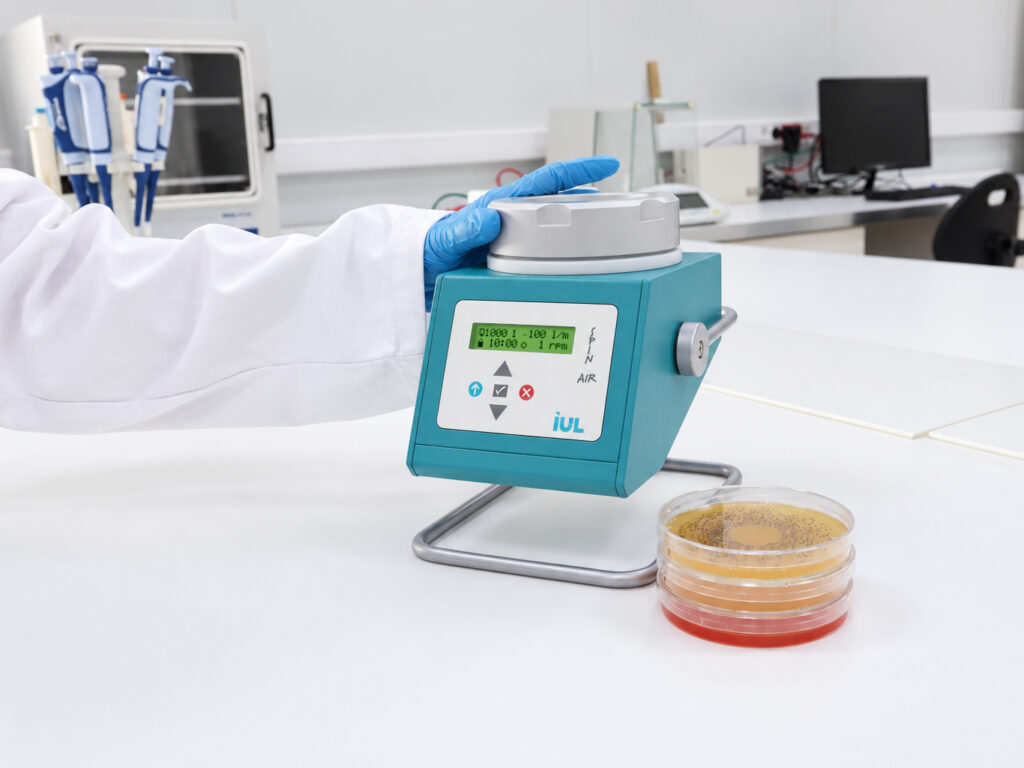
Environmental Monitoring

Environmental monitoring helps food manufacturers assess microbial contamination risks across production, packaging, and high-care areas.

Typical applications include airborne microbial monitoring, hygiene verification, cleanroom and packaging area monitoring, and routine air quality assessment.

Standardized monitoring workflows help identify contamination risks early and support effective hygiene and environmental control programs.

Workflow