Veterinary Diagnostics
Veterinary rapid diagnostics help enable faster decision-making across animal health applications ranging from companion animal care to livestock monitoring and field testing. Lateral flow assays are commonly used in veterinary clinics and laboratories for applications such as canine parvovirus, FeLV/FIV, heartworm disease, mastitis detection, and avian influenza testing.
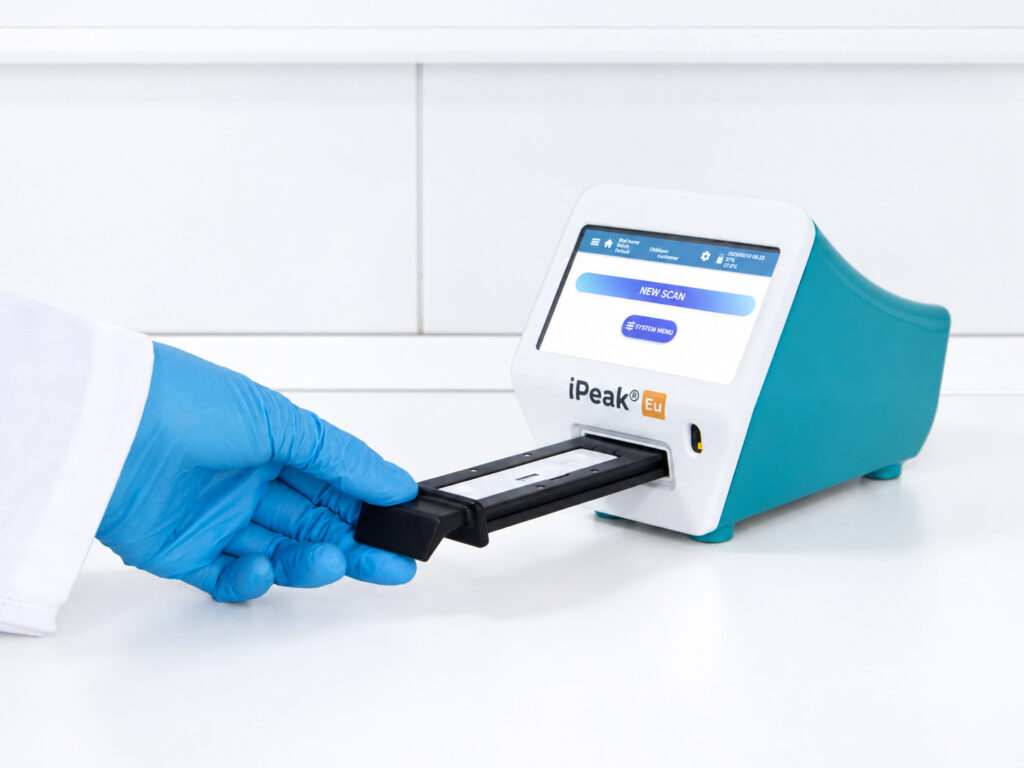
To support veterinary assay development and commercialization, IUL provides lateral flow reader solutions designed for reliable test interpretation, quantitative analysis, digital result capture, and workflow traceability. IUL solutions also support microbiological quality control and environmental monitoring processes used in veterinary diagnostic manufacturing environments operating under standards such as ISO 13485, GMP, FDA QSR, WOAH guidelines, and ISO 14644.
Lateral Flow Testing
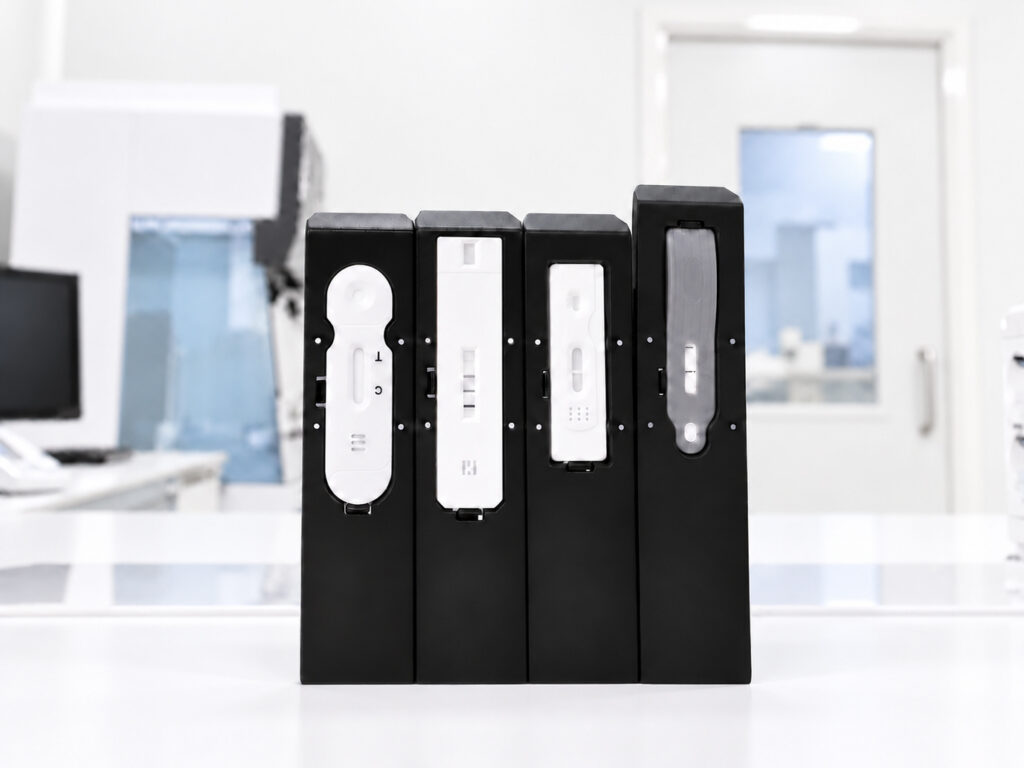
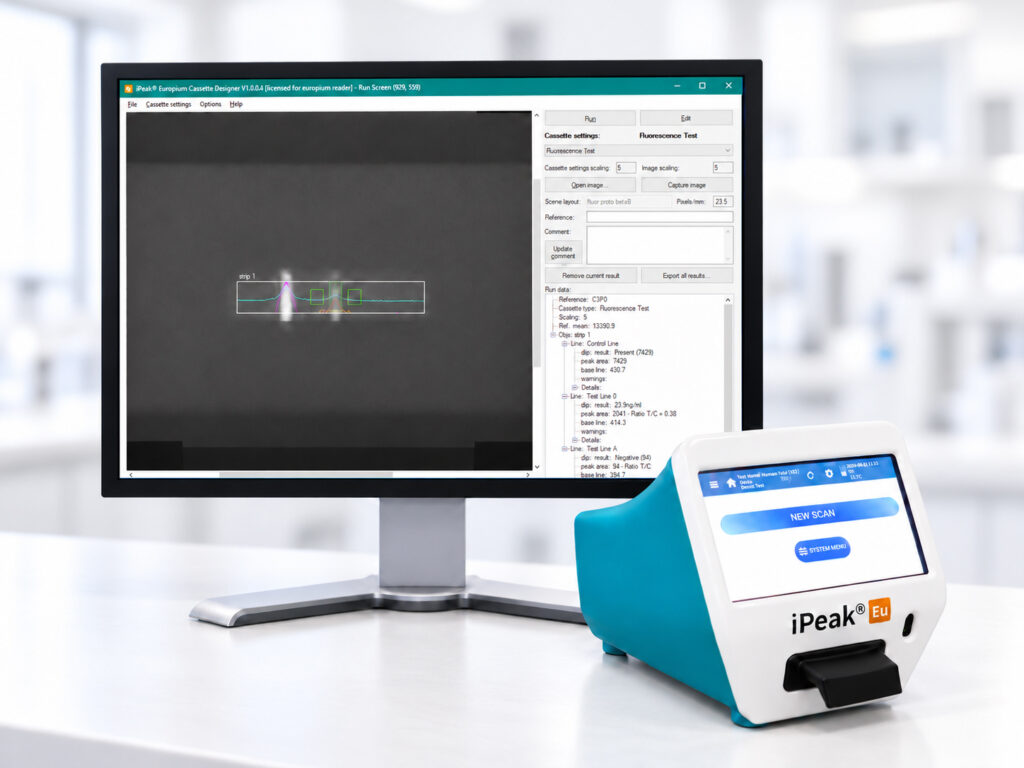
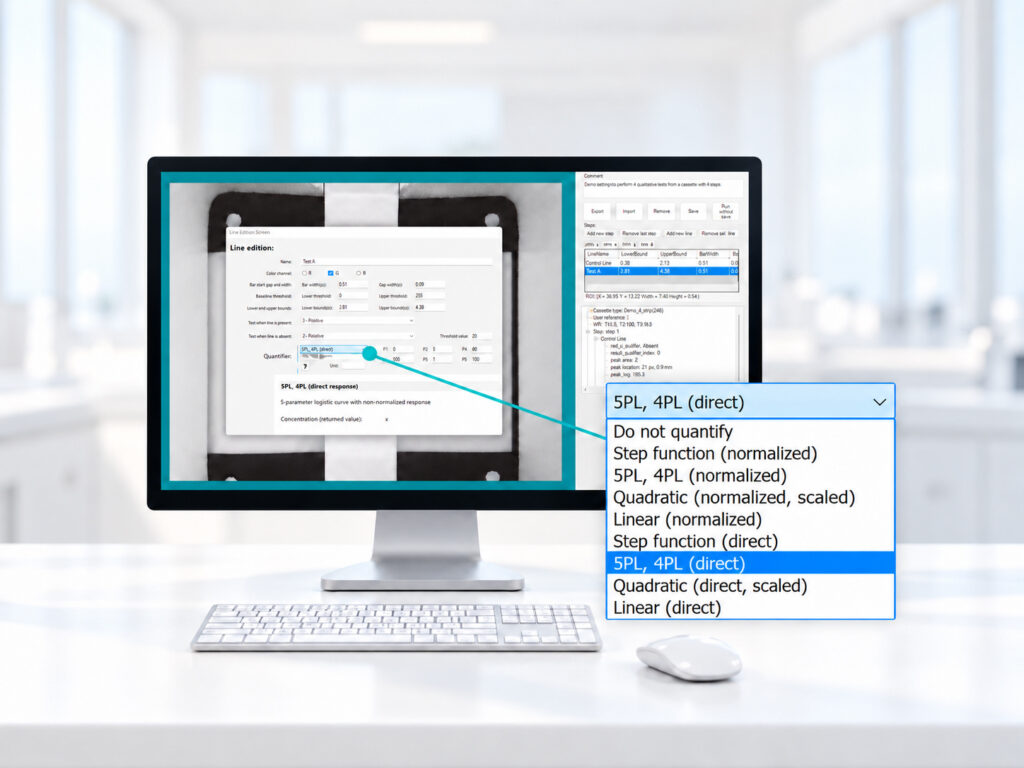
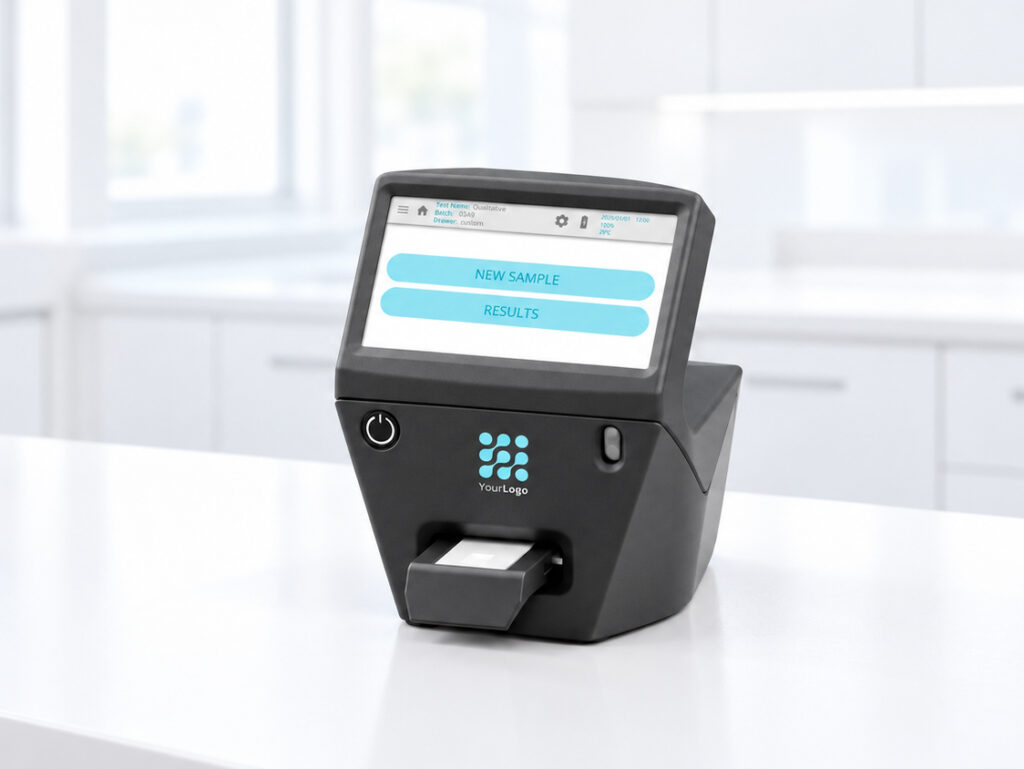
IUL offers both off-the-shelf and customizable lateral flow reader solutions for veterinary diagnostic applications across clinics, laboratories, livestock operations, and OEM development projects. Reader systems can be adapted to different cassette formats, interpretation models, and workflow requirements for veterinary rapid testing applications including infectious disease detection, reproductive testing, and herd health monitoring.
Digital interpretation supports improved result consistency, quantitative analysis, and traceable data capture while reducing subjective visual interpretation in veterinary testing workflows.
Workflow
Manufacturing Quality Control
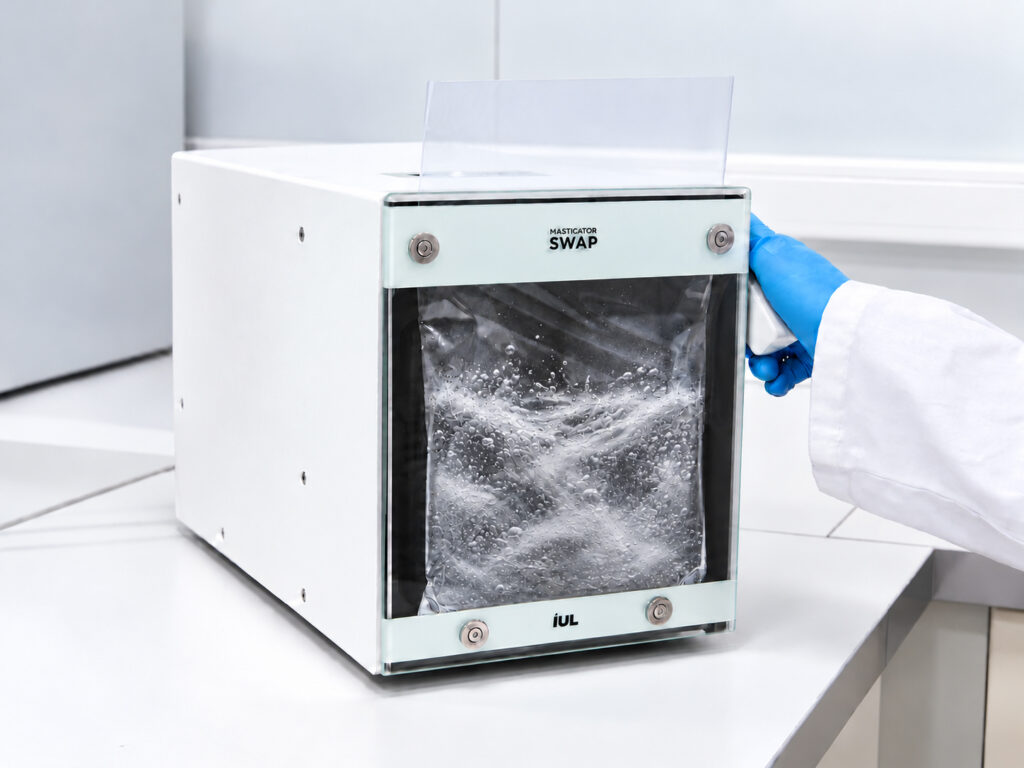
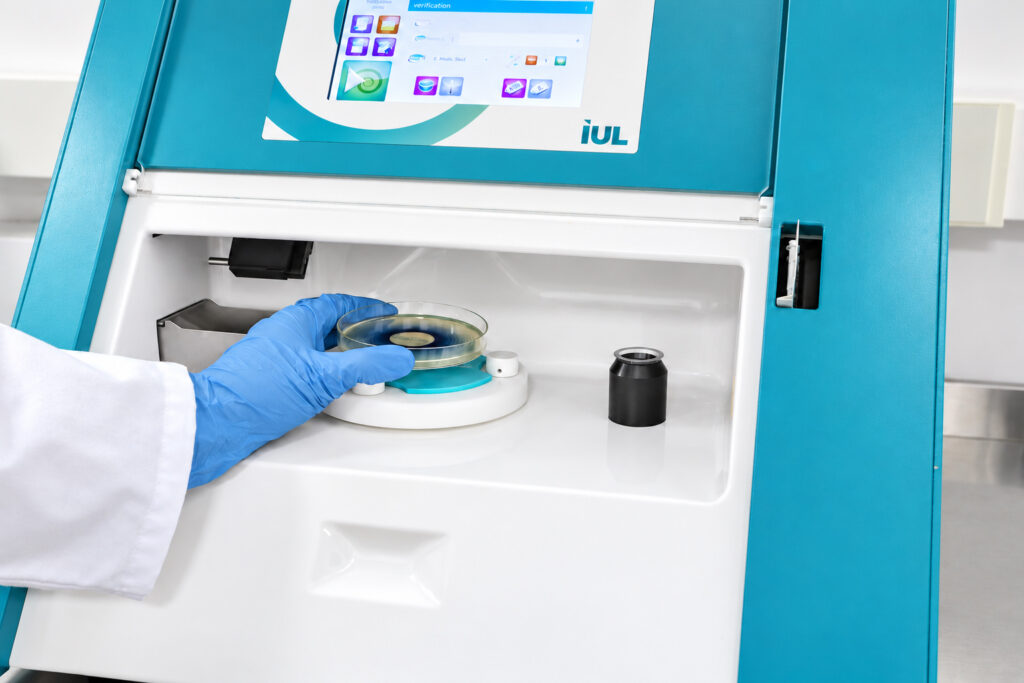
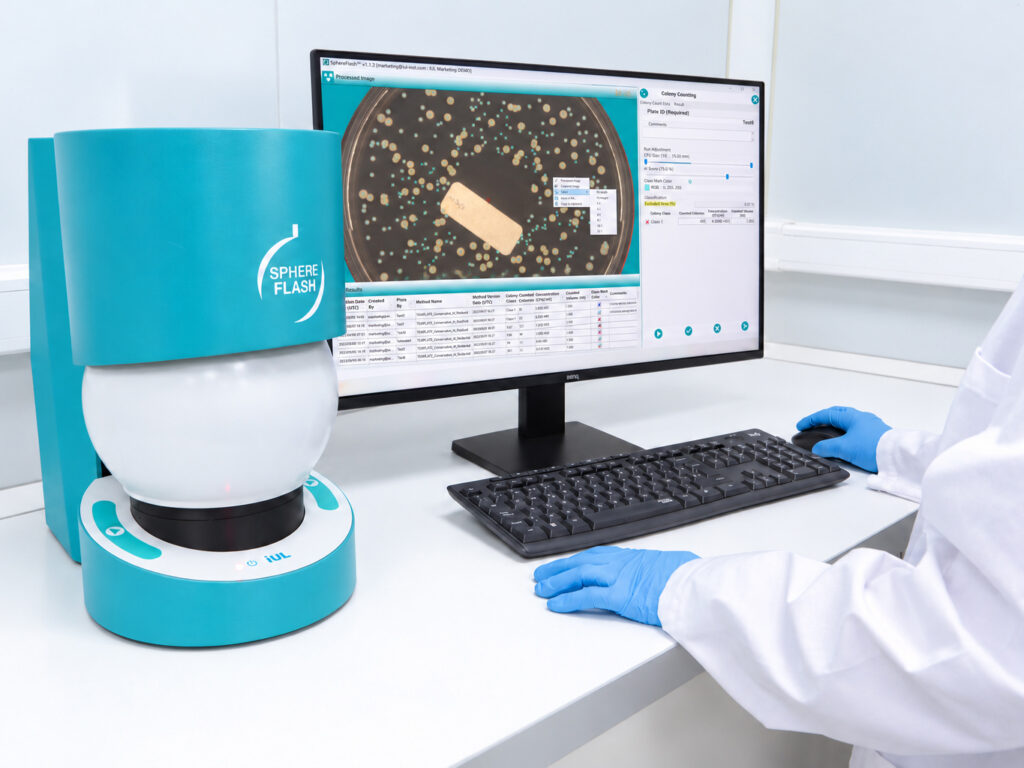
IUL solutions support microbial quality control workflows used during the production of veterinary diagnostic and lateral flow tests. These workflows help manufacturers monitor environmental contamination and evaluate the microbiological quality of production materials and manufacturing areas throughout assembly and packaging operations.
Workflow
Environmental Monitoring
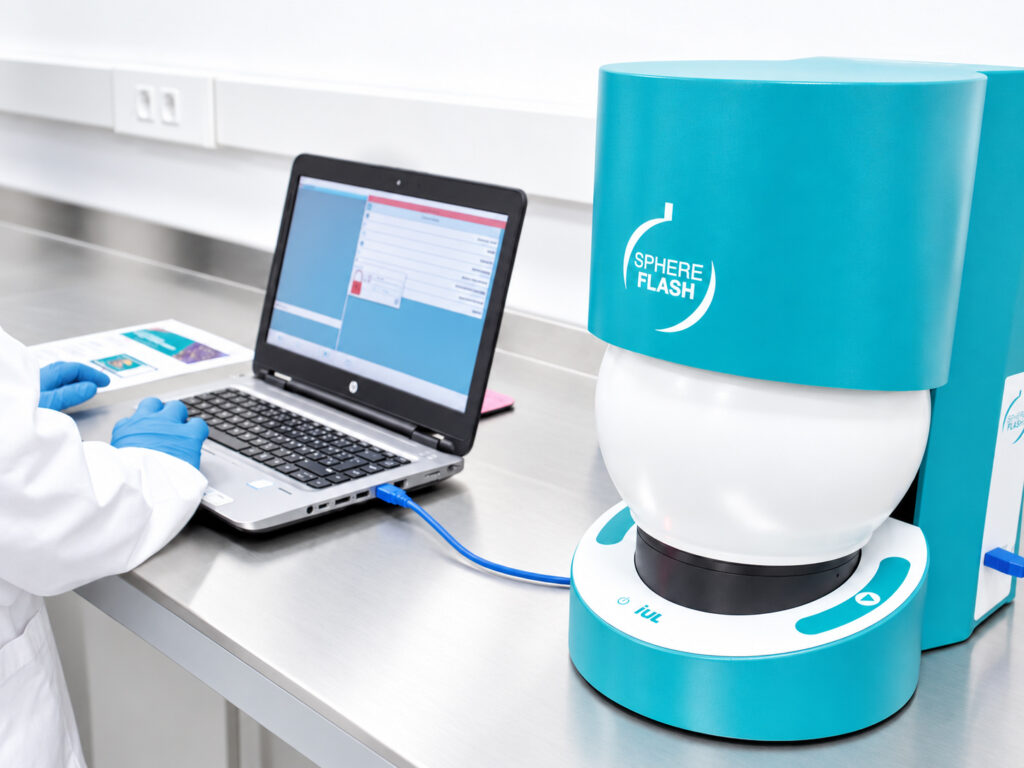
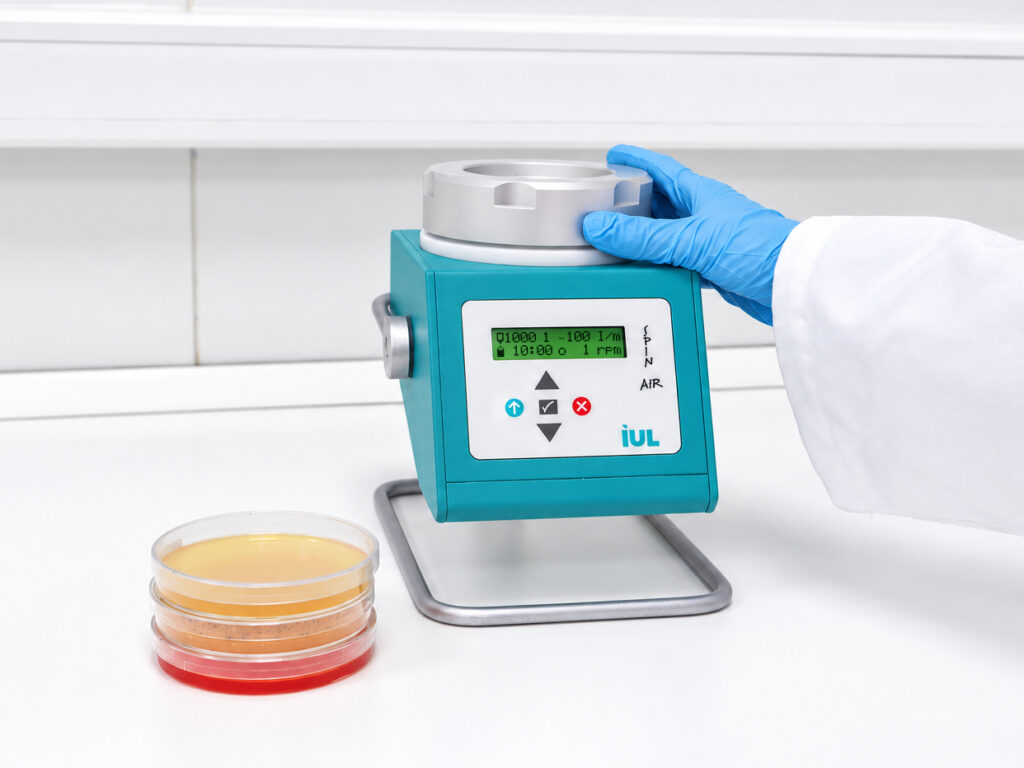
Environmental monitoring helps veterinary diagnostic manufacturers maintain controlled production conditions and reduce the risk of airborne microbial contamination during reagent preparation, cassette assembly, and packaging processes. Routine air sampling supports cleanroom verification and microbiological control across production environments.