Human Diagnostics
Rapid and point-of-care testing plays a critical role in decentralized healthcare by enabling faster clinical decision-making closer to the patient. Widely adopted rapid tests for conditions such as HIV, hepatitis, COVID-19, and respiratory infections help improve access to screening, support earlier diagnosis, and enable faster treatment decisions across hospitals, clinics, pharmacies, and near-patient testing environments.
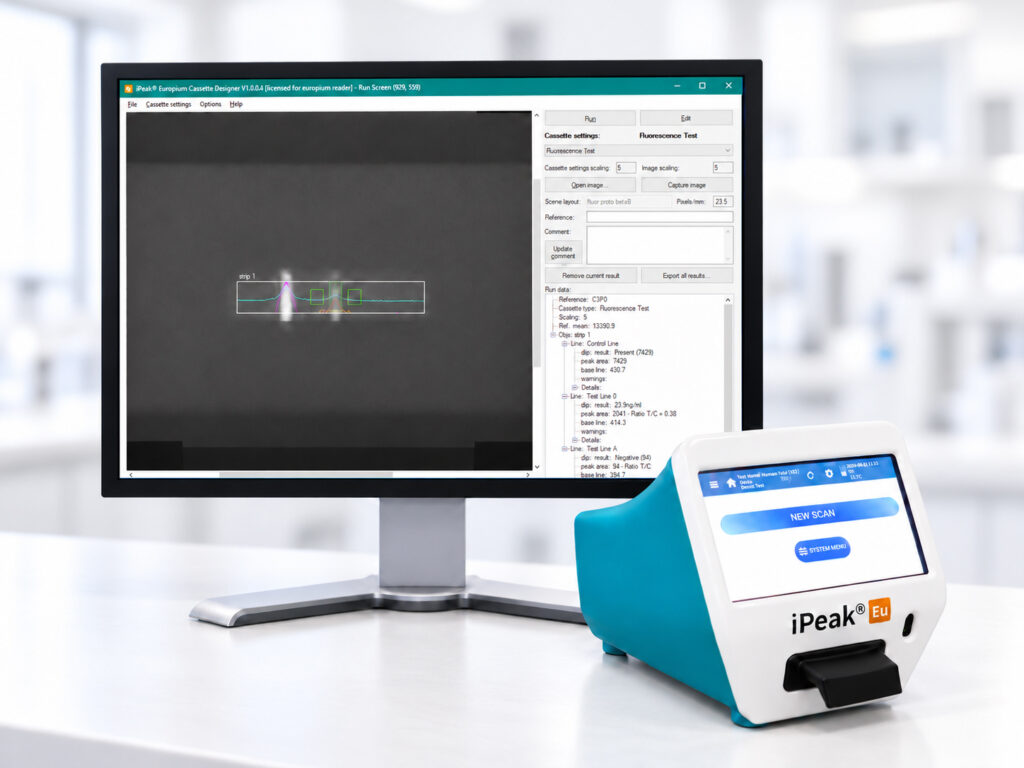
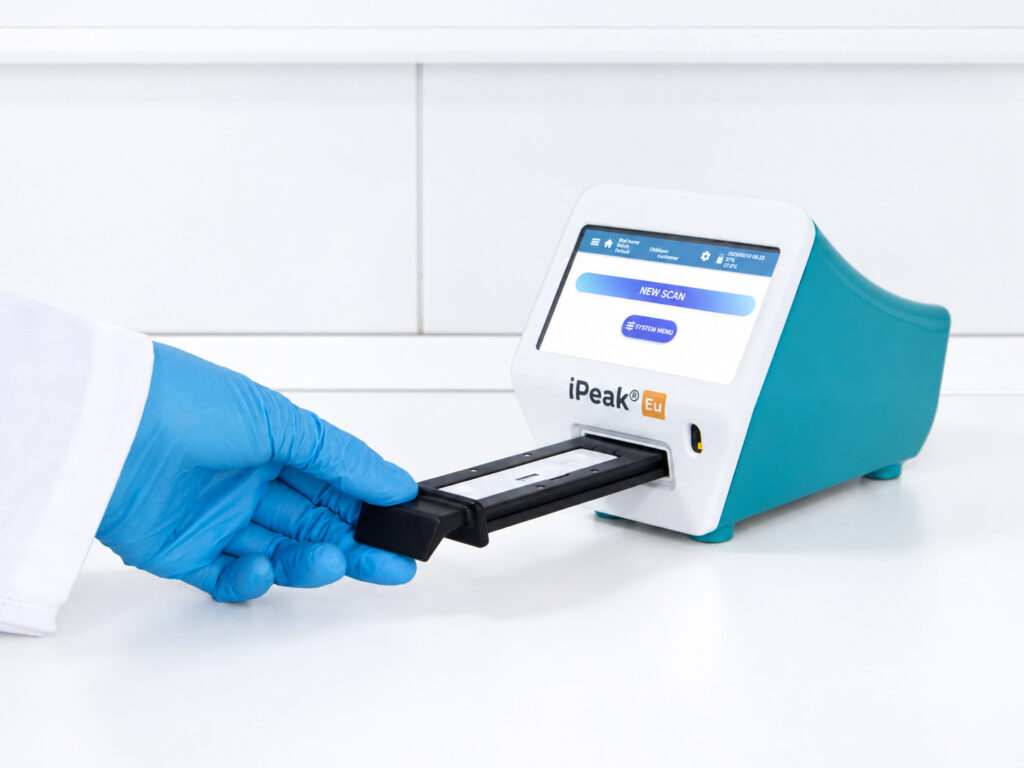
As rapid diagnostic technologies continue to expand, assay developers and manufacturers require reliable tools for assay development, validation, and commercialization. Lateral flow readers support quantitative analysis, reduce subjective visual interpretation, enable digital result capture, and improve traceability throughout diagnostic workflows.
In addition to rapid test interpretation, IUL solutions also support manufacturing quality control and environmental monitoring processes used in regulated diagnostic production environments operating under standards such as ISO 13485, IVDR, FDA QSR, GMP, and ISO 14644.
Lateral Flow Testing
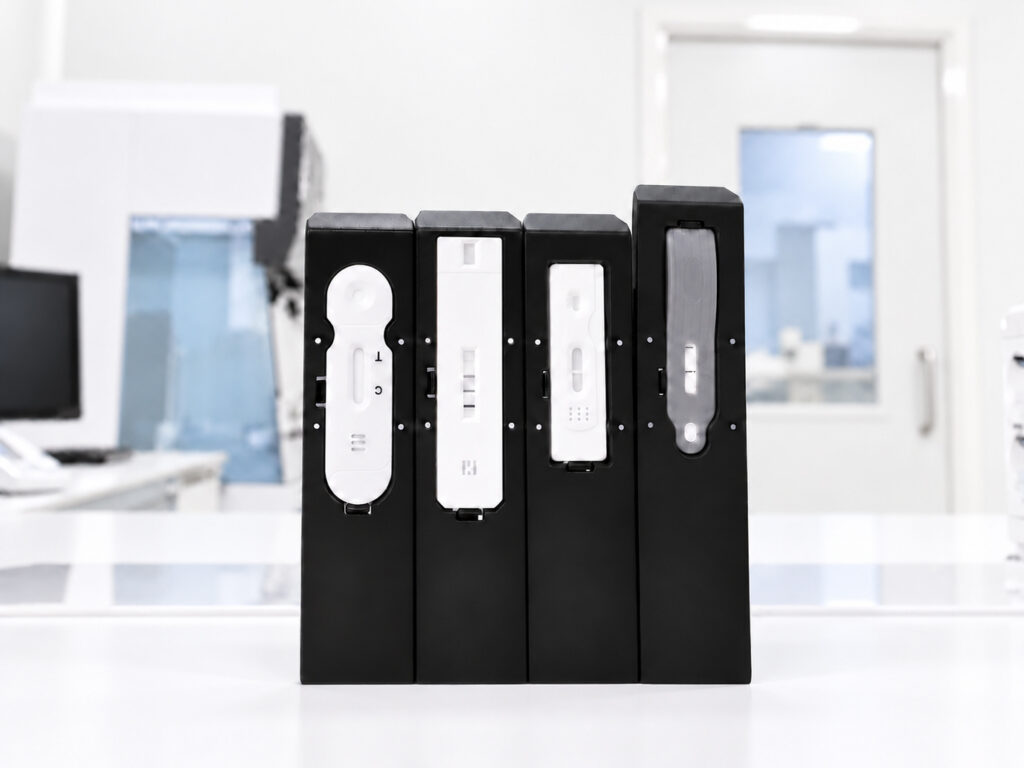
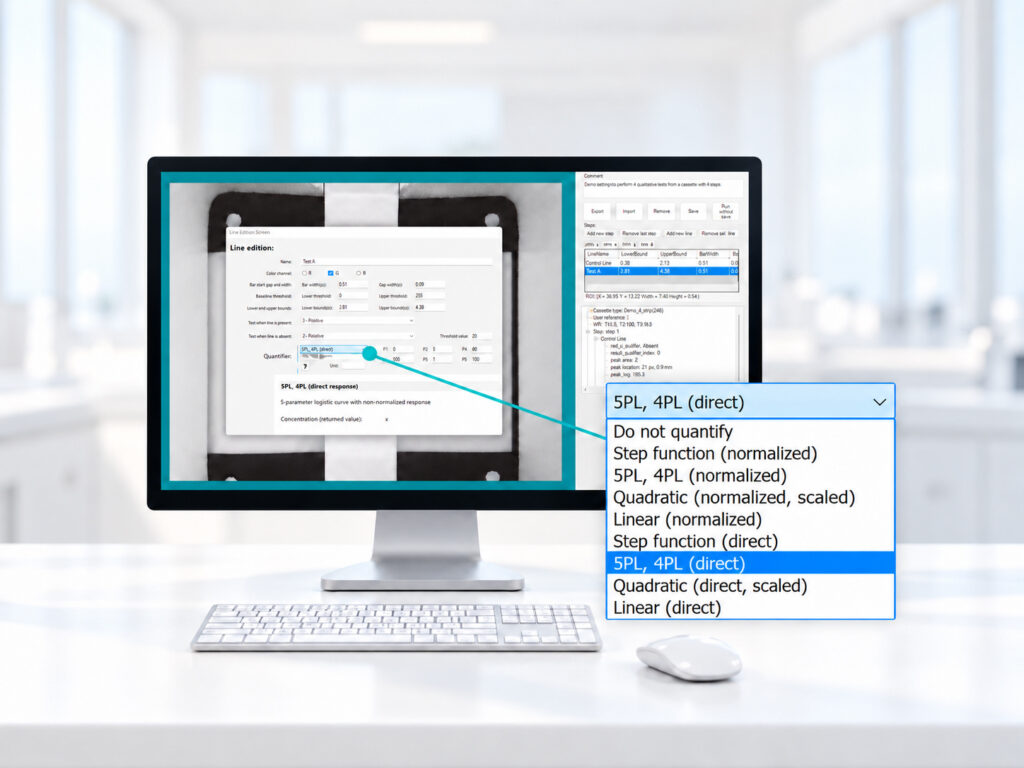
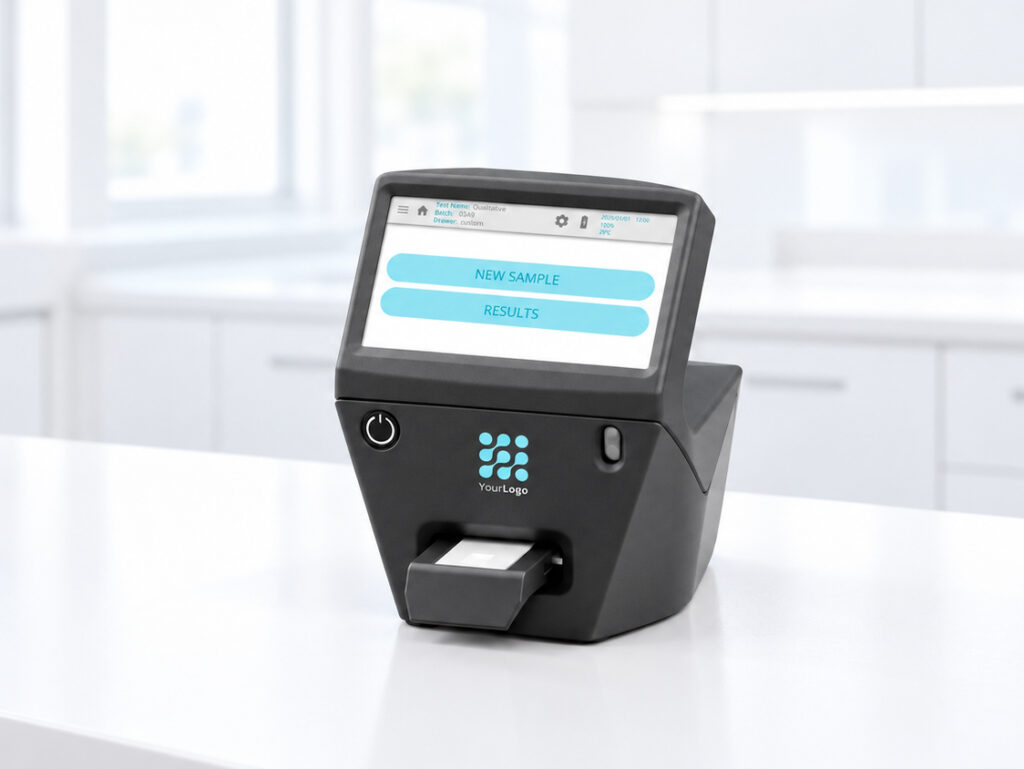
IUL supports human diagnostics developers with both off-the-shelf and customizable lateral flow reader solutions for rapid test applications including HIV, hepatitis, respiratory infections, cardiac markers, and other point-of-care assays. Reader configurations can be adapted to support different cassette formats, interpretation models, OEM requirements, and deployment workflows.
Workflow
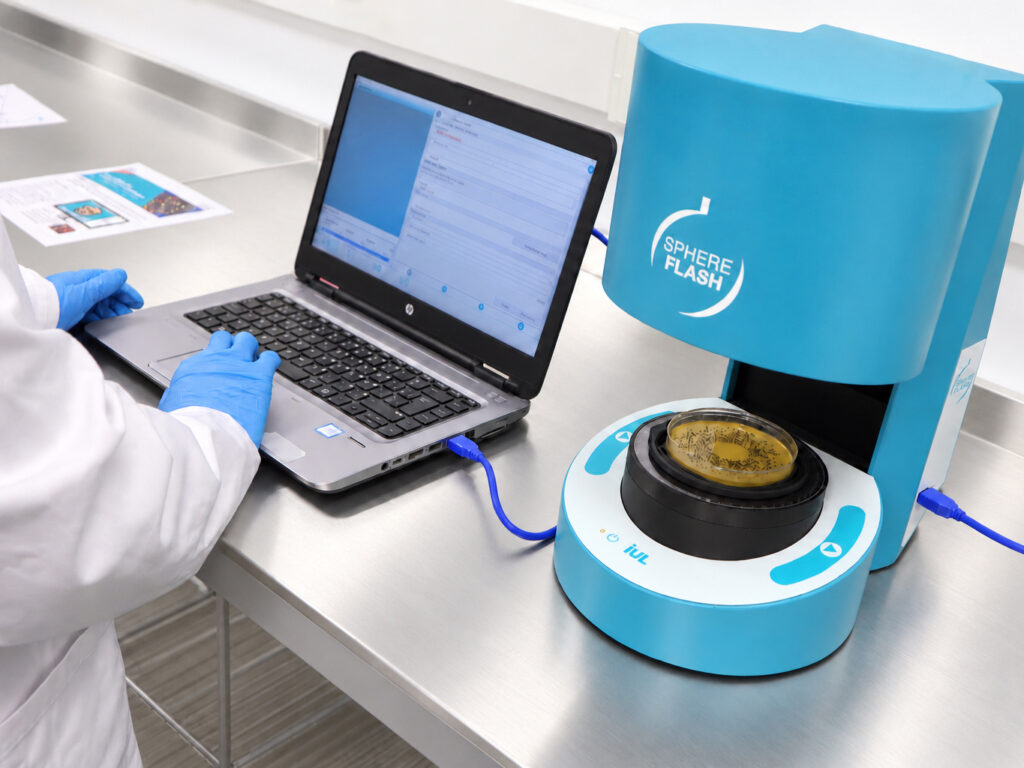
Manufacturing Quality Control
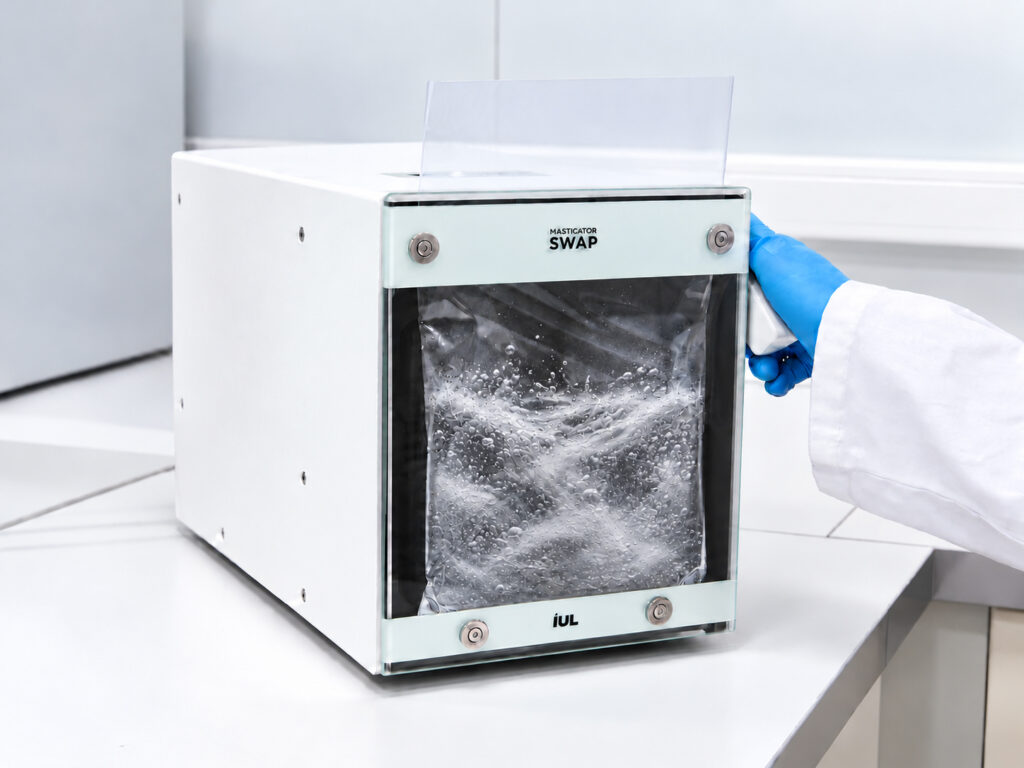
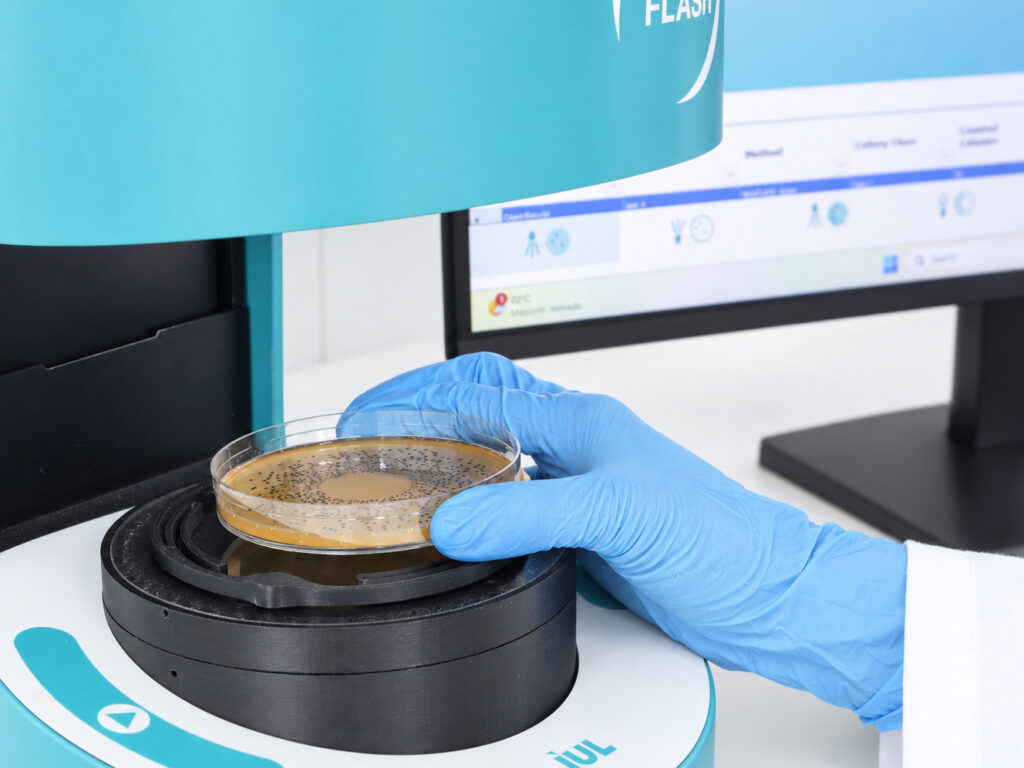
Although rapid diagnostic and lateral flow tests are typically non-sterile products, manufacturers must still control contamination throughout production to prevent interference with assay performance, membrane integrity, reagent stability, and test reliability. IUL solutions support microbiological quality control, contamination monitoring, and rapid screening workflows used during diagnostic manufacturing and production quality assurance.
Workflow
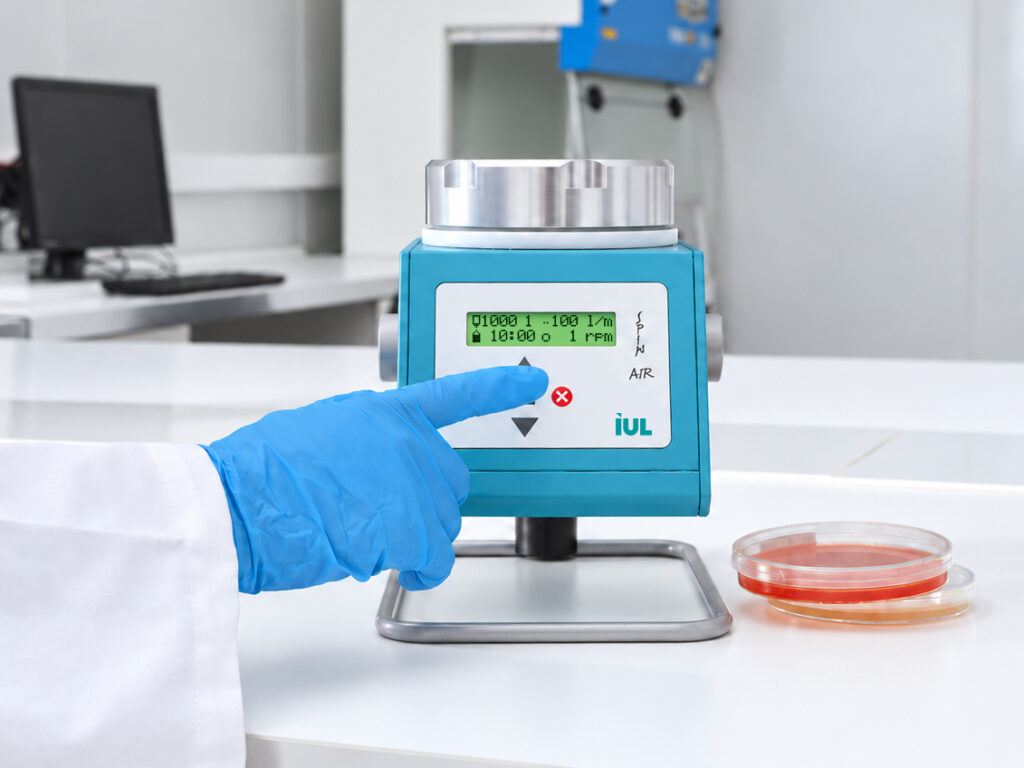
Environmental Monitoring
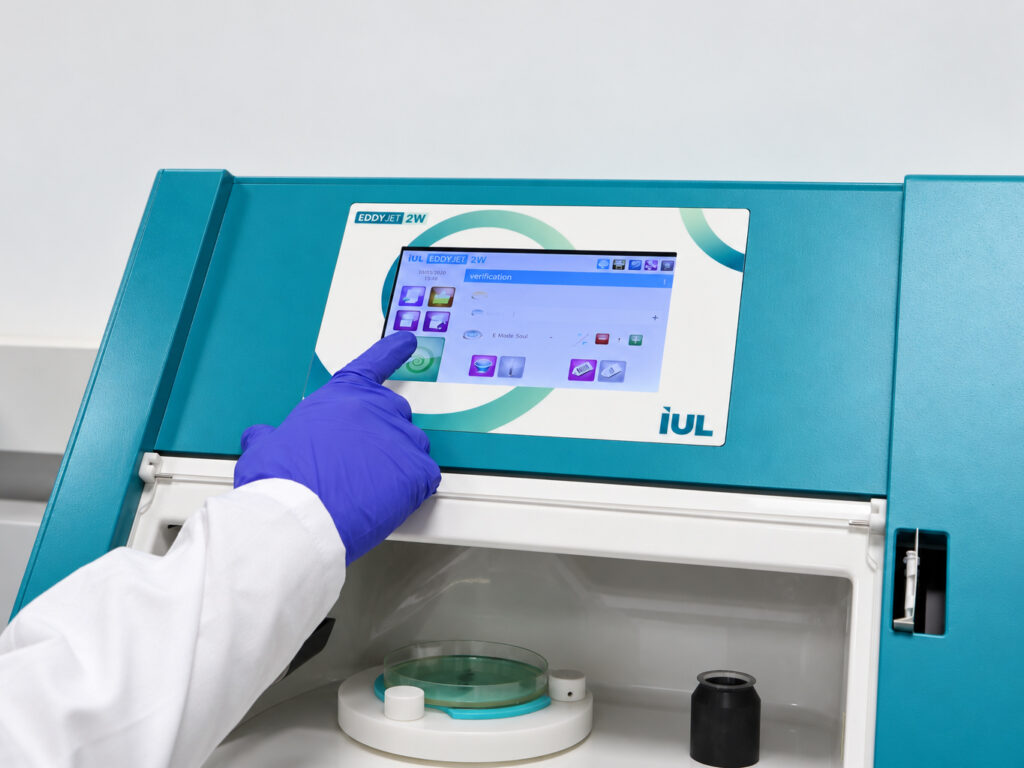
Environmental monitoring is essential in diagnostic manufacturing to help maintain controlled production conditions and reduce the risk of microbial contamination during reagent preparation, cassette assembly, and packaging processes. Air monitoring workflows support routine cleanroom verification, contamination control, and microbiological quality assurance throughout production environments.