Food & Beverage

Quality control in the food and beverage industry is essential to ensure product safety, product consistency, and regulatory compliance across the entire production chain. From raw material verification to final product release and environmental monitoring, laboratories must generate accurate, traceable, and reproducible results under high-throughput conditions.

Food manufacturers operate under strict regulatory frameworks and certification schemes including HACCP, ISO 22000, FSSC 22000, BRCGS, IFS Food, and Regulation (EC) No 2073/2005 for microbiological criteria. Standardized laboratory workflows help reduce turnaround times, improve traceability, and support contamination prevention across food production environments.


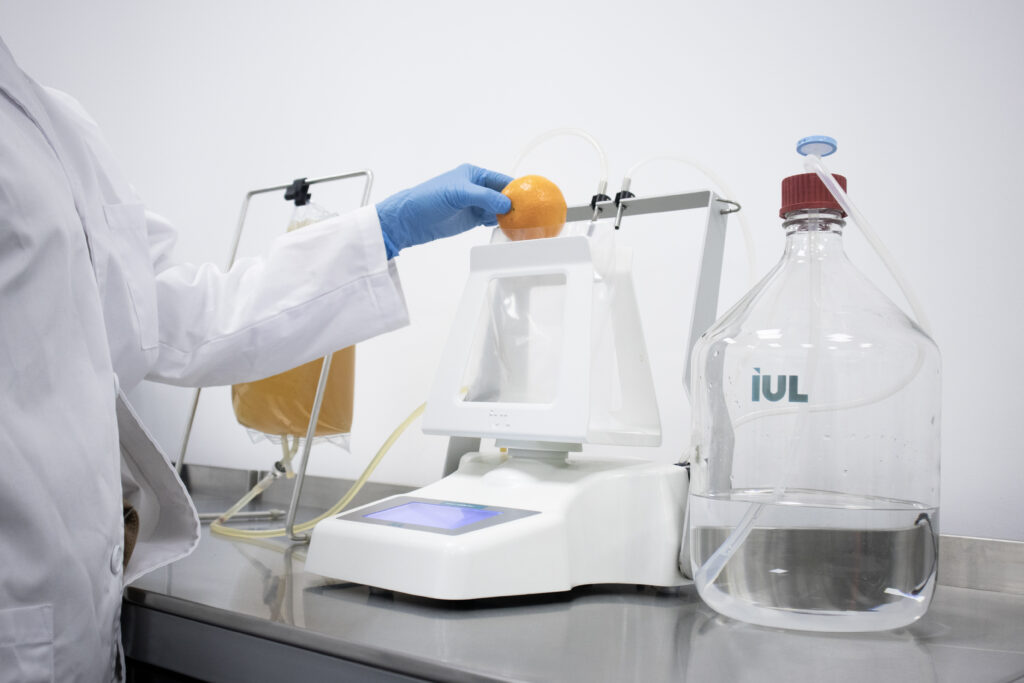
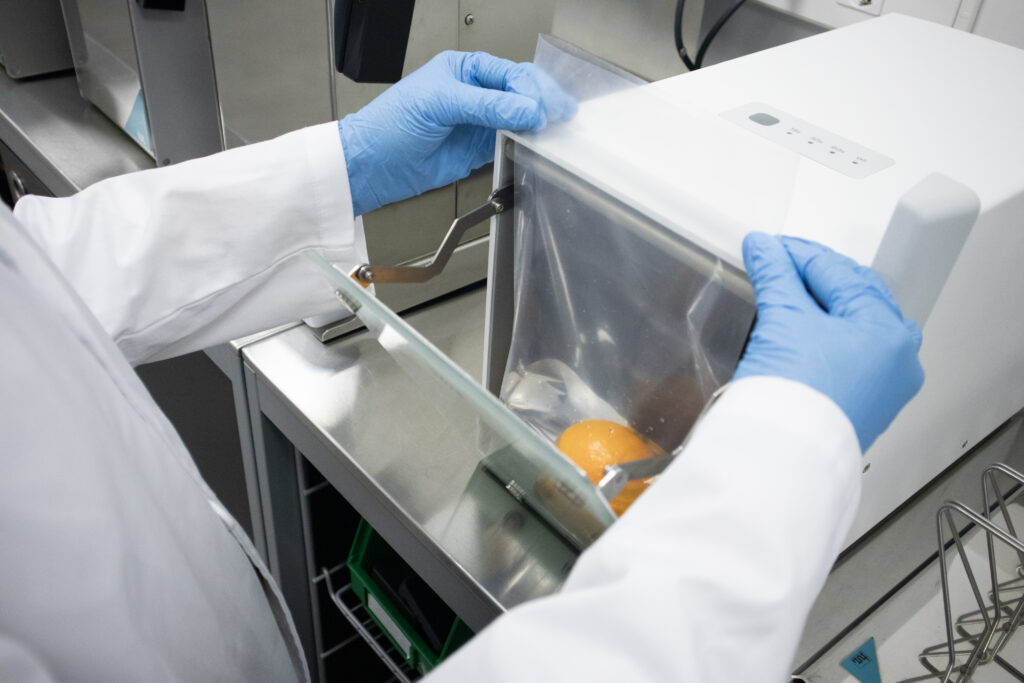
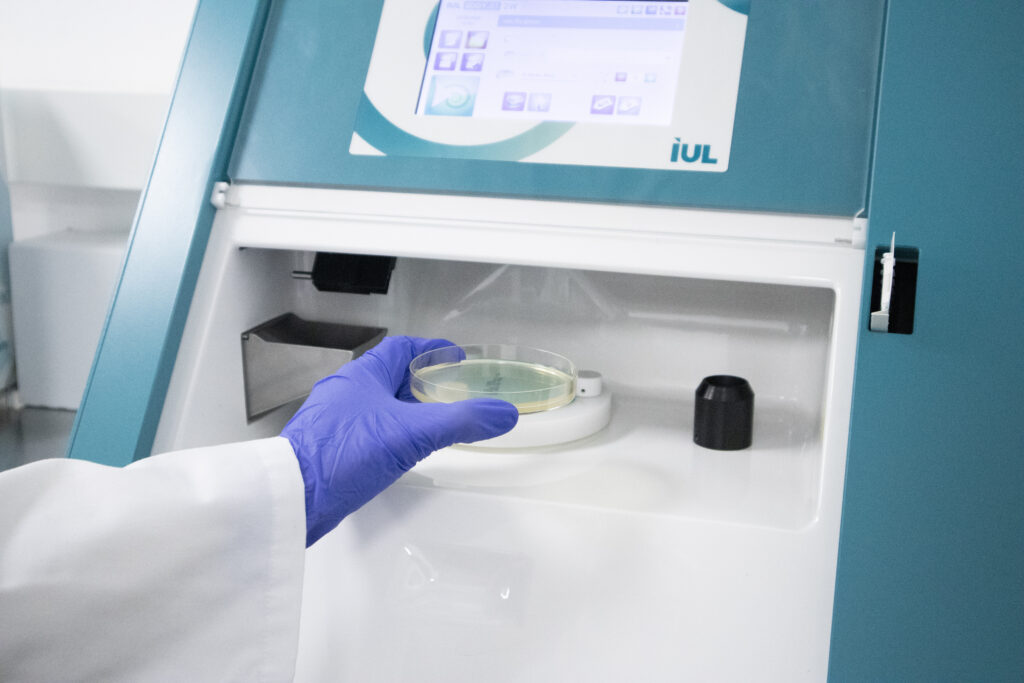
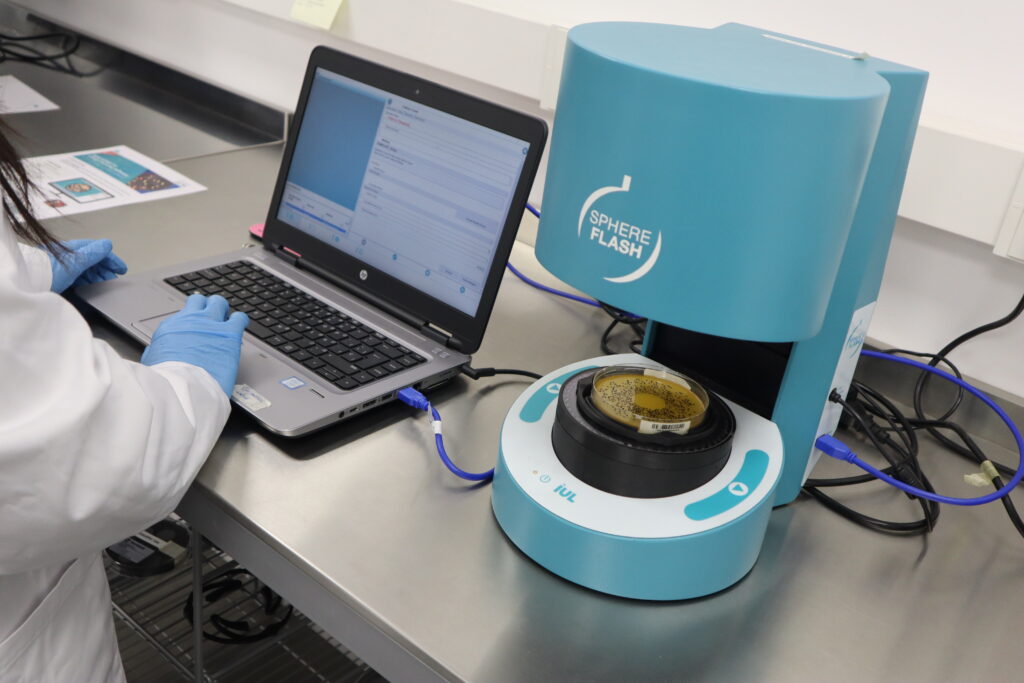
Microbiology Quality Control

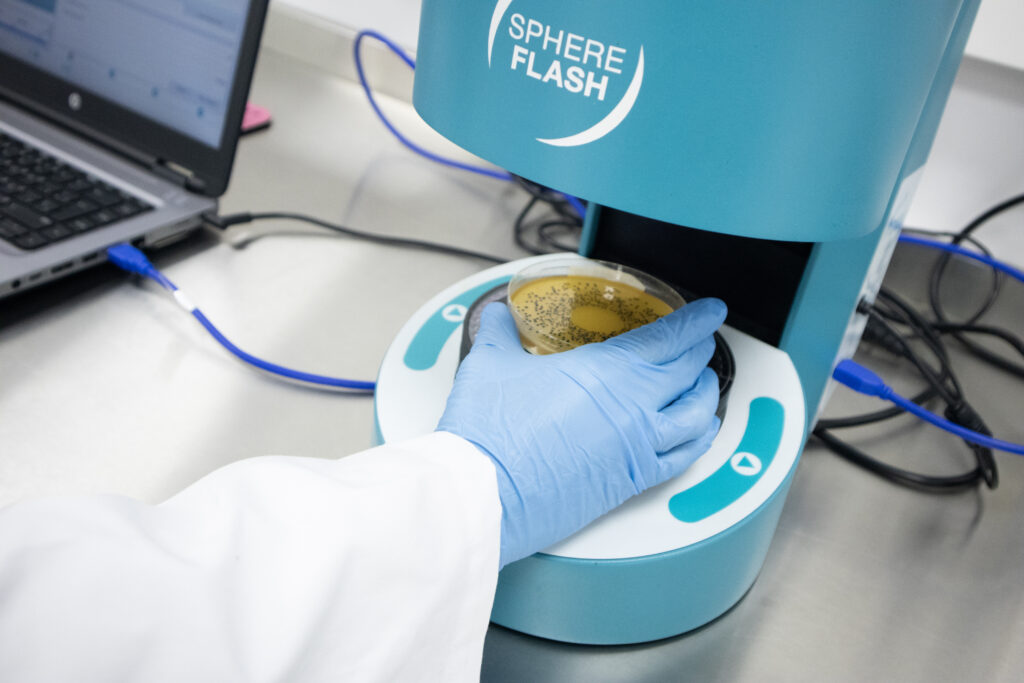
Microbiological testing is a cornerstone of food safety, supporting the detection and enumeration of microorganisms across a wide range of food products and production environments.

Typical monitoring programs include:

  • Total viable count (TVC) analysis
  • Yeast and mold enumeration
  • Salmonella detection
  • Listeria monocytogenes monitoring
  • E. coli and coliform analysis
  • Environmental surface monitoring

Food microbiology laboratories must handle complex sample matrices including dairy, beverages, meat, plant-based products, and ready-to-eat foods while ensuring compliance with standards such as ISO 4833, ISO 21527, and Regulation (EC) No 2073/2005.

Workflow

Rapid Quality Control

Rapid quality control workflows support fast screening and routine verification across food production environments, enabling faster operational decisions without complex laboratory infrastructure.

Typical lateral flow applications include:

  • Allergen detection
  • Mycotoxin screening
  • Pathogen screening
  • Gluten testing
  • Antibiotic residue detection
  • Hygiene verification and contamination control

Rapid testing technologies support food safety programs and labeling compliance requirements under frameworks such as EU Regulation No 1169/2011 on food information to consumers.

Workflow

Environmental Monitoring

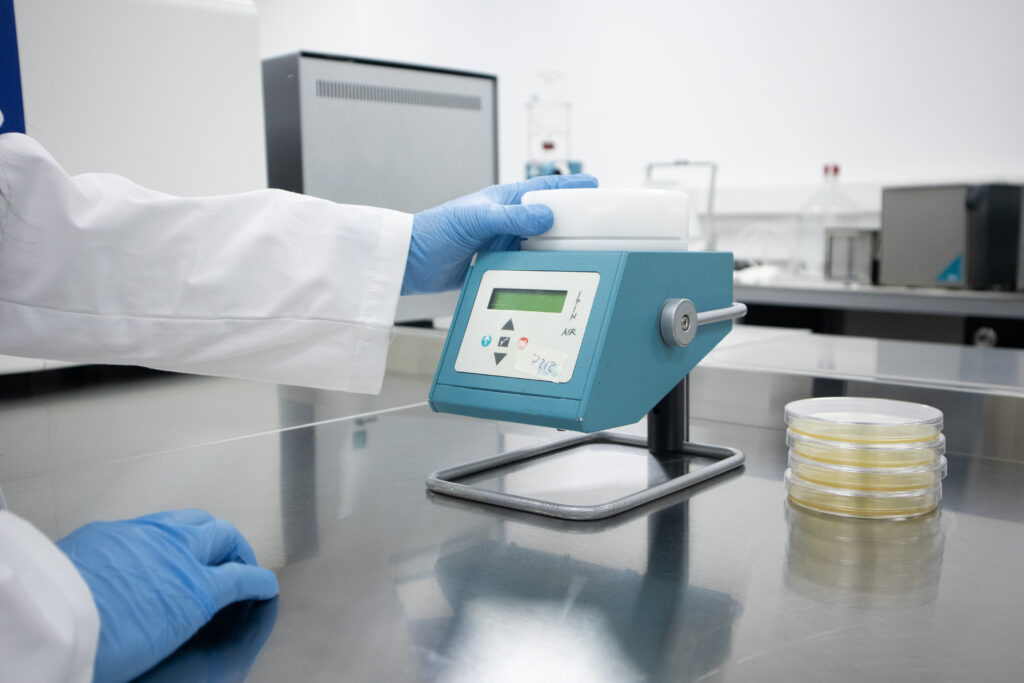
Environmental monitoring is essential for contamination control and hygiene verification within food production and packaging environments, particularly in high-risk and ready-to-eat processing areas.

Typical monitoring applications include:

  • Airborne microbial monitoring
  • Environmental hygiene verification
  • Cleanroom and packaging area monitoring
  • Air quality assessment
  • Contamination risk monitoring

Environmental monitoring programs support compliance with standards such as ISO 18593 and microbiological criteria defined in Regulation (EC) No 2073/2005.

Workflow