Pharmaceuticals

Quality control in the pharmaceutical industry is essential to ensure product safety, efficacy, consistency, and regulatory compliance throughout the manufacturing process. From raw material verification and in-process controls to final product release and environmental monitoring, pharmaceutical laboratories require accurate, traceable, and reproducible workflows to support product quality and patient safety.

Pharmaceutical manufacturers operate under strict global regulatory frameworks including FDA cGMP (21 CFR Parts 210 and 211), EU GMP Annex 1 and EudraLex Volume 4, PIC/S GMP, WHO GMP guidelines, and pharmacopeial standards such as USP, Ph. Eur., and JP. Additional standards including ISO 14644 support cleanroom classification and environmental monitoring in controlled production environments.

Microbiology Quality Control

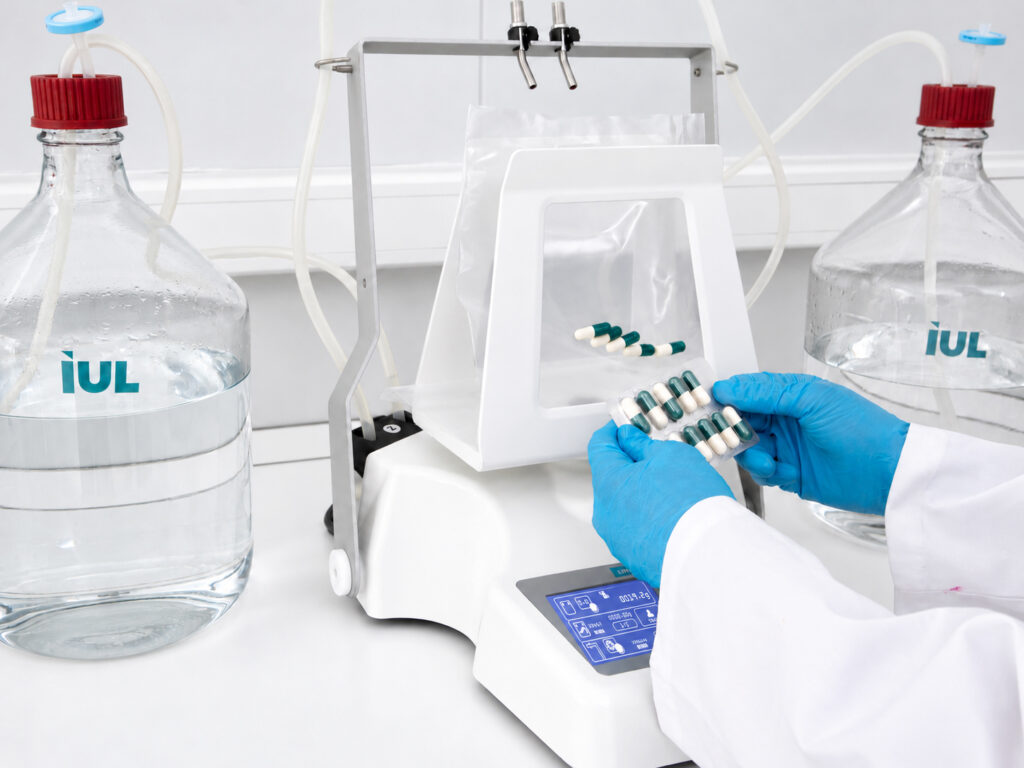
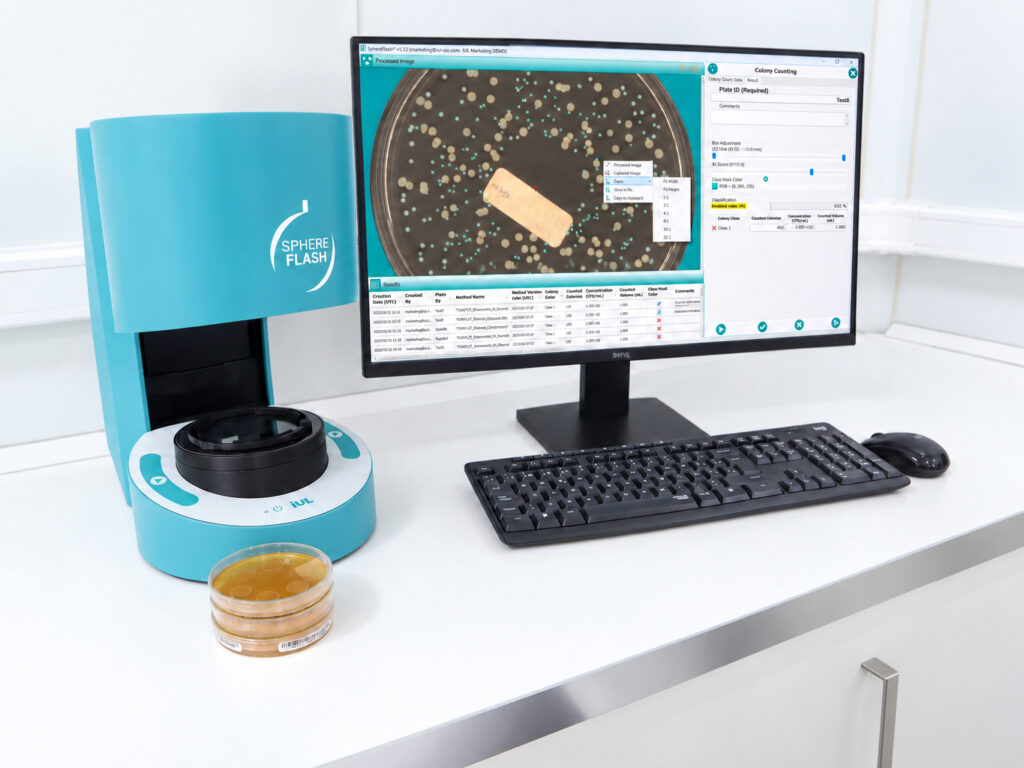
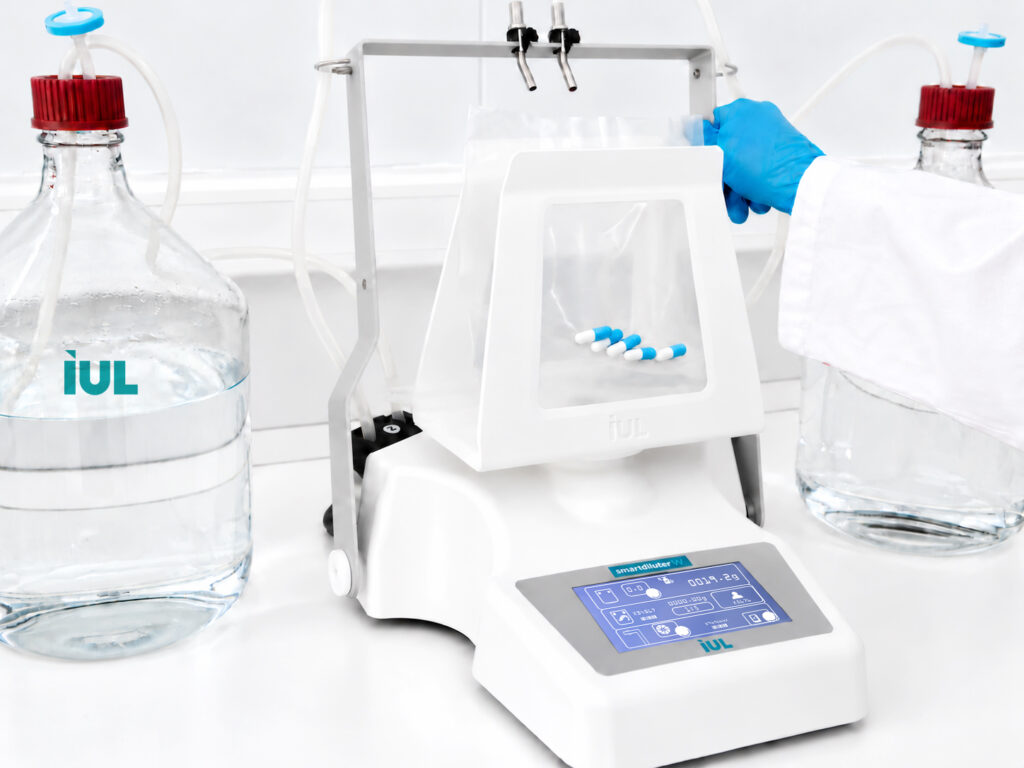
Microbiological quality control supports the detection, enumeration, and control of microorganisms across pharmaceutical products, raw materials, utilities, and production environments.

Typical testing includes total viable counts, bioburden analysis, microbial limits testing, purified water monitoring, and colony enumeration across non-sterile dosage forms.

Standardized microbiology workflows help laboratories maintain reliable, reproducible results throughout routine pharmaceutical quality control.

Workflow

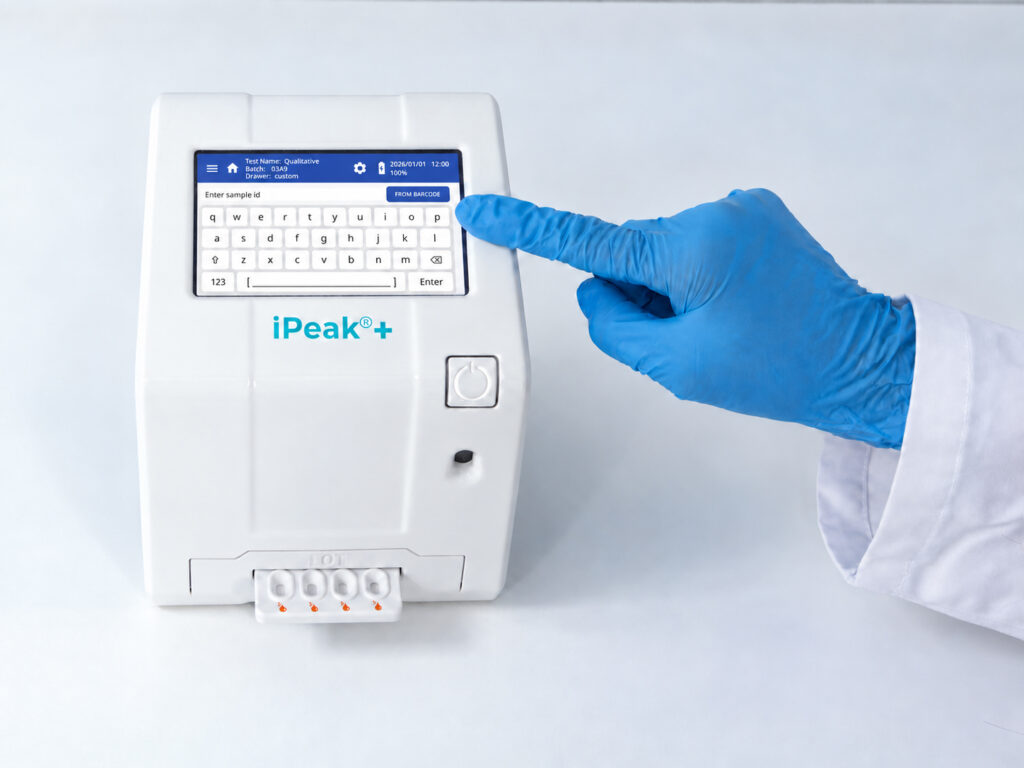
Rapid Quality Control

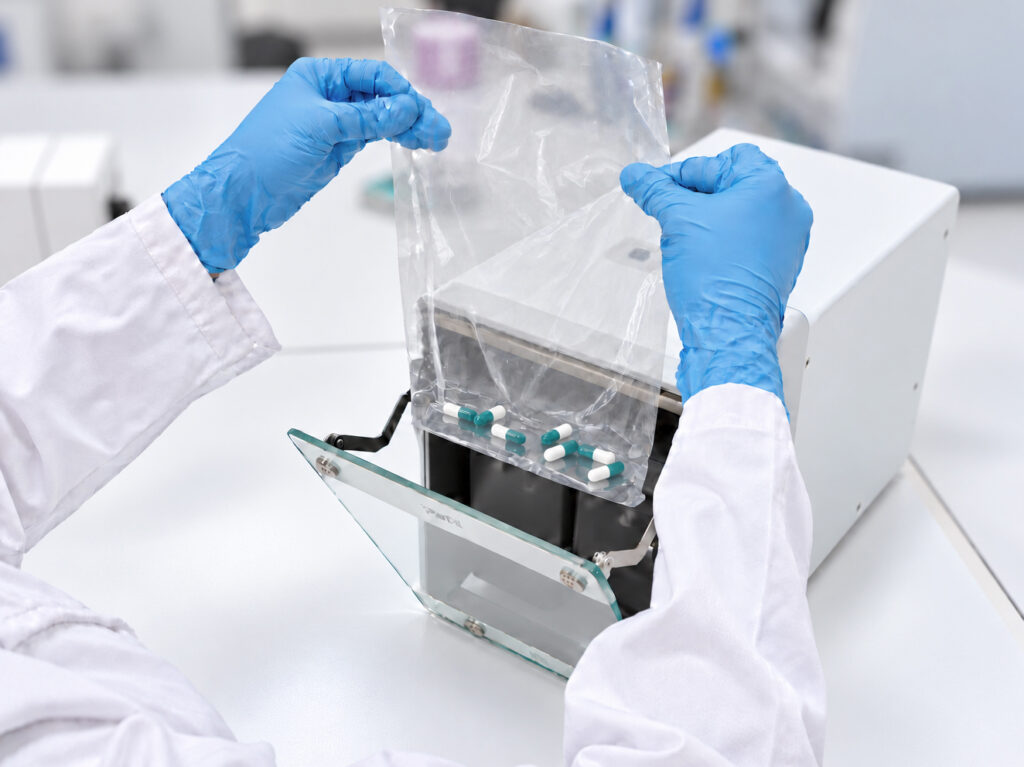
Rapid quality control supports fast screening and routine verification across pharmaceutical manufacturing environments.

Typical lateral flow applications include cleaning validation, residue and contamination screening, hygiene verification, raw material testing, cross-contamination control, and process checks.

These rapid testing methods help manufacturers respond quickly to potential issues and support efficient pharmaceutical quality control workflows.

Workflow

Environmental Monitoring

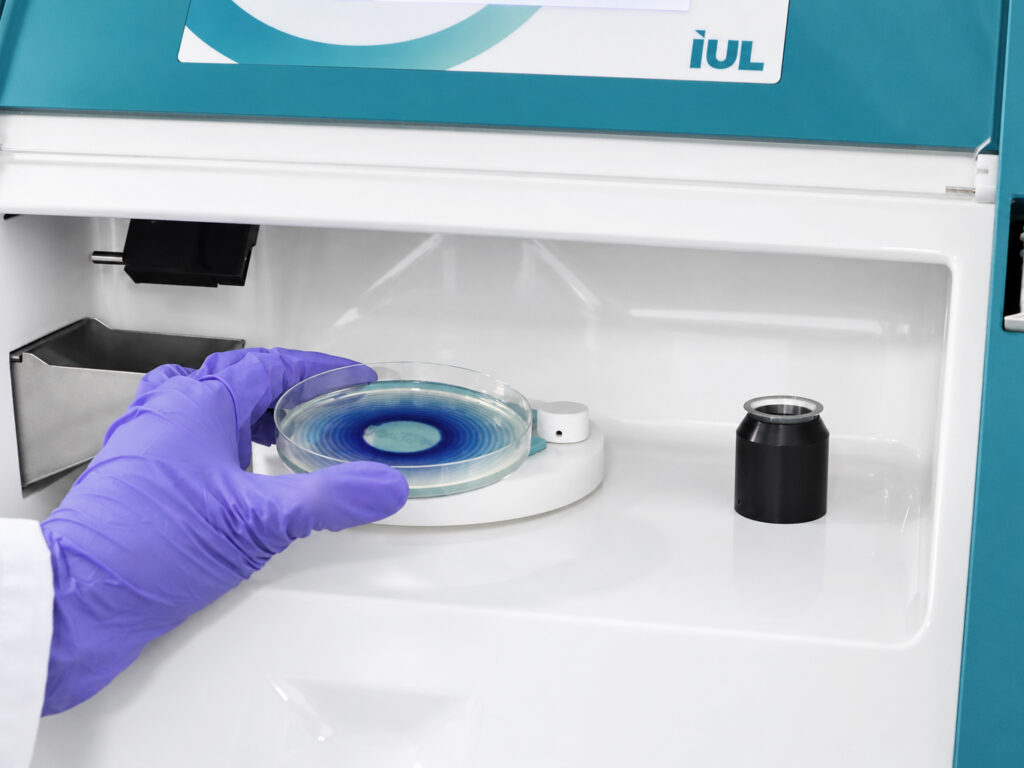
Environmental monitoring helps pharmaceutical manufacturers assess contamination risks across cleanrooms, aseptic filling areas, biologics production, and other controlled environments.

Typical applications include airborne microbial monitoring, Grade A/B cleanroom monitoring, aseptic filling area assessment, and contamination control in biologics and vaccine manufacturing.

Standardized monitoring workflows help maintain controlled environments and support reliable pharmaceutical production.

Workflow